Hello, all you lovelies, hope all is well—Post Eid Mubarak to Everyone. Over here at Femmeرنگ, we are moving on swimmingly. Times are tough I tell you, what makes it better for us is knowing that you all are here supporting us. Your love and encouragement mean everything.
Slowly we are growing and bringing more and more material to you. What you see on the website is not all you will see. In the coming weeks/months, we will grow and keep adding content. We wanted to start up the site when we did because we knew we were ready. However, that doesn’t mean we don’t have more. We wanted to give our team as much time as they needed to prepare to be able to put out the best content that they possibly can. Let me tell you they are working hard. The stuff coming up is fantastic.
Our youtube channel has some great Vloggers delivering awesome shows to watch. I am sure you are keeping up with Instagram, Facebook, and Pinterest because we will keep informing you of what’s happening on the website through those platforms.
On the website, we have reviews, articles, a new advice column, news about current events, games, quizzes, and so much more that you will have to go to, to find out. We update the site every week, so you’re challenge will be to keep up with us. I have so much more to say to you guys, and I must pace myself here. There will be a next time.
Ma’a asalaama You look after yourselves, ya hear? Mahvish Akhtar
Literature has always played an important role in forming a particular image about women and the constructing certain gender norms. We tend to idealize the characters we admire and try to imitate them in our lives. Sometimes, we also align our beliefs with the ones of the author, if the story is able to make such an impact.
A book such as Eleanor & Park may seem like an ordinary romance novel but the portrayal of the female protagonist, Eleanor, helps to make some important deductions about how women are represented in contemporary literature by female authors.
Having the name of the main character as the title of a novel usually signifies he/she is a strong character. In the case of Eleanor & Park, while two characters share the title, we know the focus is on Eleanor, as her name appears first. Also, it is noteworthy how Rowell cleverly named her character. Eleanor relates to light/brightness (often associated with the Queen Eleanor in the story) but her character attempts to stay low and not draw attention to herself. Ironically, we also see her as a highly sensitive girl who instead of standing up against the bullies, wouldn’t dare utter a word and chooses to remain silent.
After building a weak image of Eleanor, we are made aware of her family background (separated parents), physical appearance, which didn’t fit the definition of the usual beauty standards (bullied as a ‘fat chipette’), and constant indications to her manly personality, be it attraction towards Park’s comic books or her wearing ‘a giant men’s shirt’. As a critical reader, it meant that if a woman does not have certain feminine traits, she should not be recognized as one. We also know that Eleanor is an honors student yet her intelligence is overpowered by her appearance.
Our love affair with beauty:
Despite this, her love-interest to-be, Park, finds her very red curly hair, with dark brown eyes, appealing. As we see the novel normalizing these features as beautiful, reference to her ‘white skin’ later, proves us wrong. Being a reader from Pakistan, a country that obsesses over white complexion, from finding goribahus (daughter-in-laws) to endorsing whitening products to become ‘beautiful’, such colorist remarks can be extremely harmful for the youth and the wider audience. In the 21st century, when we should be promoting the idea of being comfortable in our own skin, reading such literature that uses ‘whiteness’ of a female character as a scale of beauty, can hinder that progression, and further undermine the image of women with darker complexions.
Not only that, Park’s comparison of Eleanor with his mother, reminded me of the common desi mindset – neglecting a woman’s individual personality and finding similarities between her personality and a man’s epitome of womanhood.
The Damsel and The Distressed:
The imposition of patriarchal values continued in the story with Eleanor’s mother grabbing books with male protagonists at random, when packing to shift, and the ones around women (or equally about them) not making the cut – Oliver’s Story was given preference instead of Love-story and Little Men was included but not Little Women.
Fast forwarding to the end, Eleanor eventually becomes a victim of violence and receives threats from her evil stepdad, Richie. She is saved by Park, who drives Eleanor to her uncle in Minnesota. Eleanor’s rescue was not unexpected but ending with them parting confirms that only the ‘ideal’ woman deserves permanent happiness and to be loved. Park ultimately goes to prom with another girl but the damsel in distress Eleanor does not forgo her attachment with him.
From the desi mindset we come from, Park would resemble any typical South-Asian male, who would not want to be associated with a woman, coming from such a background. Thought of as a matter of integrity, cutting ties with Eleanor and moving on seemed like the most appropriate thing to do. Eleanor, being a naïve, innocent girl, is still hopeful for it to work.
Eleanor & Park is one of the most celebrated novels of Rainbow Rowell and would have been an exemplary and inspiring work, in my opinion, if Eleanor was shown as a strong-minded woman, an attribute that drew Park’s attention. Seeing such a woman who confronted her fears instead of escaping could be a source of courage for many.
We can only expect to see a positive change in the way female protagonists are depicted in books, in the near future.
When someone tells you a story about a girl who was molested at a young age, you feel a sharp pain in your heart. No matter what the age of that girl. When you read in the news that a woman was touched or called names that are not appropriate, your heart hurts for her. You think to yourself, “how does she move on from that? How does she face her everyday life after all this? Now that people know. Now people around her recognize her as that person that those words were spoken to or those acts were done to. What hell must she be living in at this time ?”
You are not wrong to think that. That person is in a special kind of terrible place that no one should ever have to find themselves in; However, they were in an awful hell before speaking out as well. Something else is stinging deep inside, though; it’s not that you are feeling their pain or what has happened to them or the worry of how they will move on. It’s that you remember incidents that have happened to you, perhaps are still happening.
Things people said to you that you weren’t allowed to repeat. Something others are doing to you that you don’t even want to think about ever. When these issues are mentioned about other people you are forced to think about all those times, all those memories that are buried deep down, it is all on the surface now.
You keep listening, hearing, and thinking about everything around you on this topic. Finally, after all this effort, you get the courage to say something. To whom? “My story is not like anyone else’s,” you think to yourself. No one will really understand or take it seriously. You keep talking yourself into taking this seriously because that’s what those women on social media and TV shows tell you to do. You look around to find someone who will listen, someone who will understand. Maybe you do find that person—such a difficult decision. Life will change forever, won’t it?
You gather yourself and mention your situation. Maybe even make it seem much lighter and less massive than it is. Most of the time, you regret saying anything. Most of the time, you are told you have made a big deal out of a small issue. You are advised that is how boys flirt. You are told not to take it so seriously and just ignore it. You are told to avoid putting yourself in these situations so, and mind your own business; keep to yourself. You are advised never to say anything about this to anyone else. You are told media today is corrupting the youth. There are many other things you are assured that I could keep going on repeating to you here. We have to move on and get to problem-solving now that we know the problem.
What we just talked about has nothing to do with age, class, money, status, or marital status. This has nothing to do with whether one has children. Most women have faced this on some level, and most of us have been reassured that what we met was either not sexual harassment or we need to stay quiet because we will embarrass ourselves and our families.
Here I want to assure you that you will not embarrass anyone.
I am here to listen and offer solutions. I don’t need to know your name. I don’t need even to know your gender if you want to remain anonymous in that manner. I want to help. Throw your questions at me. Tell me what your feeling, thinking. What troubles you? No topic is off-limits. No problem will go unanswered.
We are starting with sexual harassment because we did our FemmeIcon Instagram Live on this topic. We wanted to come full circle and give our audience another chance to voice their opinions and concerns on this issue. If you have other problems you want to discuss, let me know in the comments, I will oblige.
Salam friends, we are starting a new section for you that I will be handling myself. I am the founder and CEO of this organization and operation. The purpose of bringing this to all of you is that my team and I want to help you in any way that we can.
This will be a safe space where we can talk about anything. You can ask me questions, tell me about your life. I will help you with whatever you might need the best that I can.
If I am going to expect you to share your problems with me and if I want you to tell me what’s bothering you in your life, its only fair I tell you a bit about myself. Plus, I love talking about myself, you’ll learn that about me as you get to know me.
Okay, let’s see…
I have been a journalist for 20 years, I’m a licensed life empowerment coach, a counselor, and I am also the director of a Mental Health Institute in Karachi. I have two boys ages 7 and 8, a husband I’ve been married to for 23 years, I take care of a full house a business, along with that I am so much more to so many more wonderful people; Someday I will tell you all about them.
Oh, and my birthday is in September, I will be 44 this year, so I am expecting a lot of loving b-day messages from you guys. It’s not easy getting old.
Do you want to know the best part about my job? I love that I get to help people. I love the idea that I can sit behind a computer or a phone, and make a difference. That might also speak to my laziness ;). Seriously though, I became a writer so I could use my abilities to make a difference by spreading awareness. Now I see that I can keep learning and growing and help in even more ways. Counseling and coaching were those ways.
More about me later. Right now, it’s about you. Talk to me. What are some issues and problems that are weighing on you? What are some questions you need answers for? I am here to answer all your questions and comments. You don’t have to reveal yourself. We can do this anonymously if you want.
How many diapers you will have to change in the first few months
The amount of diapers a tiny baby goes through is unfathomable. When you first become parents, you can’t even imagine its possible for this tiny thing to produce that much poo, but there it is. No one can prepare you for that, and it SMELLS.
How many times you will accidentally hurt them
This one is tricky because you feel bad even thinking about it, but you will bump their head on occasion. Those little nails are a nightmare to cut, so you might end up nipping a bit of skin every now and then. It’s all normal and has happened to the best of us.
That your kids will embarrass you from the day that they are born
You would want to have things under control when you go out at the least. You might. Your baby might have other plans. You cant plan for diaper blowouts. You cant plan for baby throwing up because he put something in his mouth when you got up to get a glass of water.
Older kids will just tell a stranger that you haven’t showered in 4 days or didn’t brush your teeth this morning—no way around that.
That they will always fall asleep in the car and wake up fresh as soon as reaching home
On the way back from anywhere, they fall asleep in the car, and you assume that they are gone for the night. You believe you can quietly pick them up and put them in bed. Usually, that’s a bust. They get home and its party time.
That Once they learn they can get off the shopping cart and walk around its over
When you go shopping with younger kids, you can keep them in the shopping trolly. You hand them a toy or candy, and they enjoy the ride. Then they get older, and they realize they can get off and walk around. The whole ball game changes after that. All you do is run around after them. Nobody tells you to keep them in that shopping cart for as long as you possibly can.
That They will always find out when you are on a phone call
No matter where they are, no matter what they are doing, they will know, and they will want everything at that moment.
That Your kid will almost always rat you out to their other parent
Have you ever asked your child not to tell their father or their mother something? How did it go? They always tell you in those books to present a united front, which you always should. Sometimes, you just have to say,” don’t tell baba.” Rest assured, the second you say that, they will run to baba and tell him.
Gaining weight is a whole lot easier when you have children
You will eat all of your kids’ leftovers. Anything they leave in their plates goes in
your mouth.
You will never be able to throw away any artwork they make
Everything has to go on the fridge or will have to be saved. They will remind you constantly, and ask to see where you have put those things. You will have to appreciate pieces of junk as absolute art. Parenting is mostly acting, start practicing it you’re not already.
Your kids will say offensive things to you, and you will get upset
Children are ruthless. It’s easy to say that we need to ignore them and move on because they don’t know what they are saying, but it is tough to do that in the moment. So, yes, you will get angry at their rude comments, sometimes no matter how calm you have decided to stay. Be confident that they also need your discipline; not everything can be ignored.
Most of the time even bribing them with ice cream and other deserts won’t help when trying to get them to eat their vegetables
Nothing helps. Its okay to skip a day or so.
No matter how much the books or people tell you, you cant always nap when the kids nap
This one makes us all cry ugly tears. There’s laundry, dishes, cooking, many of us have other children and adults to take care of, sure you can ignore all that but who can sleep with all that mess laying around. If you can, teach us your ways.
Make sure your kid uses the toilet before they leave a place with a toilet whether they ask to go or not
They will feel the urge very urgently when there are no bathrooms around. It will happen. Be prepared.
Speaking of peeing, always bring a change of clothes where-ever you go. ALWAYS.
Just do it.
Farther speaking of pee, potty training is the hardest part of parenting.
You are not failing as a parent, you are right on track. Potty training is hard on all parents. Cut yourself some slack.
Farther along, bedwetting is normal even after being properly potty trained.
Don’t blame yourself and don’t blame the child either. Gradually it will get better and eventually it will completely stop. You wont read this in general parenting books but we can recommend books on these topics. Let us know in the comments.
Finally, your child is not a statistic or a research. Shes a part of you. These books may be important sometimes to help us learn the basics but they don’t know you or your child. Mother knows best!
Make sure they know they are loved; the rest is just detail.
Talk, be prepared to talk your heart out about your feelings and emotions, that is how your therapist will know how to help you and move forward.
Overwhelmed, you may experience an over whelming feeling before, during or even after sessions, because of the things you and your therapist talk about so give yourself time to let it sink in or even process those feelings and let your therapist know of it.
Ask questions, you may have questions, don’t hesitate to ask those questions even if it is about your own progress or even ask your therapist to help you review your sessions.
Team process, the only way therapy will work is if you make it work, it is an active process between the patient and psychologist so be ready to put in the effort.
Its confidential, whatever you and your therapist discuss will remain between you two, with a few exceptions which the therapist will initially tell you, but remain confident and don’t hold back something that you keep because in the long run that may be the reason why you are not making progress.
Not every therapist is the same, you may decide that a particular therapist does not suit your needs or is not compatible and that is perfectly fine, usually an initial free consultation is for this purpose to get to know the tone between two people and then continue.
There is no cure, Mental illness is different than any other illness because it simply does not go away with just a pill, it requires constant effort that you put towards yourself as well as your therapist’s efforts to help you give guidelines, on how you can improve.
Aha moments , you may have some real AHA moments where you realize how some things can be done differently with your thoughts and behaviour which in turn can also positively impact your physical health as well.
It does get better, some days you may feel that you’re not getting anything out of it but the work that you and your psychologist put into the sessions will pay off. So, don’t let it discourage you.
Your therapist will not give you advice, psychologist are not trained to give you advice rather they objectively conceptualize and help you overcome the spots in yourself that you do not see and that in turn will help you make more sound decisions in your life, but if your going to ask a psychologist what you should do than you are out of luck!
Literature has always played an important role in forming a particular image about women and the constructing certain gender norms. We tend to idealize the characters we admire and try to imitate them in our lives. Sometimes, we also align our beliefs with the ones of the author, if the story is able to make such an impact.
A book such as Eleanor & Park may seem like an ordinary romance novel but the portrayal of the female protagonist, Eleanor, helps to make some important deductions about how women are represented in contemporary literature by female authors.
Having the name of the main character as the title of a novel usually signifies he/she is a strong character. In the case of Eleanor & Park, while two characters share the title, we know the focus is on Eleanor, as her name appears first. Also, it is noteworthy how Rowell cleverly named her character. Eleanor relates to light/brightness (often associated with the Queen Eleanor in the story) but her character attempts to stay low and not draw attention to herself. Ironically, we also see her as a highly sensitive girl who instead of standing up against the bullies, wouldn’t dare utter a word and chooses to remain silent.
After building a weak image of Eleanor, we are made aware of her family background (separated parents), physical appearance, which didn’t fit the definition of the usual beauty standards (bullied as a ‘fat chipette’), and constant indications to her manly personality, be it attraction towards Park’s comic books or her wearing ‘a giant men’s shirt’. As a critical reader, it meant that if a woman does not have certain feminine traits, she should not be recognized as one. We also know that Eleanor is an honors student yet her intelligence is overpowered by her appearance.
Despite this, her love-interest to-be, Park, finds her very red curly hair, with dark brown eyes, appealing. As we see the novel normalizing these features as beautiful, reference to her ‘white skin’ later, proves us wrong. Being a reader from Pakistan, a country that obsesses over white complexion, from finding goribahus (daughter-in-laws) to endorsing whitening products to become ‘beautiful’, such colorist remarks can be extremely harmful for the youth and the wider audience. In the 21st century, when we should be promoting the idea of being comfortable in our own skin, reading such literature that uses ‘whiteness’ of a female character as a scale of beauty, can hinder that progression, and further undermine the image of women with darker complexions.
Not only that, Park’s comparison of Eleanor with his mother, reminded me of the common desi mindset – neglecting a woman’s individual personality and finding similarities between her personality and a man’s epitome of womanhood.
The imposition of patriarchal values continued in the story with Eleanor’s mother grabbing books with male protagonists at random, when packing to shift, and the ones around women (or equally about them) not making the cut – Oliver’s Story was given preference instead of Lovestory and Little Men was included but not Little Women.
Fast forwarding to the end, Eleanor eventually becomes a victim of violence and threats from her evil stepdad, Richie, and is saved by Park, who drives Eleanor to her uncle in Minnesota. Eleanor’s rescue was not unexpected but ending with them parting confirms that only the ‘ideal’ woman deserves permanent happiness and to be loved. Park ultimately goes to prom with another girl but the damsel in distress Eleanor does not forgo her attachment with him.
From the desi mindset we come from, Park would resemble any typical South-Asian male, who would not want to be associated with a woman, coming from such a background. Thought of as a matter of integrity, cutting ties with Eleanor and moving on seemed like the most appropriate thing to do. Eleanor, being a naïve, innocent girl, is still hopeful for it to work.
Eleanor & Park is one of the most celebrated novels of Rainbow Rowell and would have been an exemplary and inspiring work, in my opinion, if Eleanor was shown as a strong-minded woman, an attribute that drew Park’s attention. Seeing such a woman who confronted her fears instead of escaping could be a source of courage for many.
We can only expect to see a positive change in the way female protagonists are depicted in books, in the near future.
‘Sanya Mithani is a content writer at Femmerang. She’s a lifestyle Instagram blogger passionate about books.
Follow her on Instagram’ And if Instagram can be linked to her blog on Instagram.
I felt a happy stroke of boldness one day and decided that I wanted to go horseback riding with a friend. I found a coupon online and the place was close by. I was so excited to do something I had always wanted to do. I had planned it all out: we would go horseback riding in the morning, then go for lunch at a trendy local restaurant. I called the ranch to pay and place my reservation. The lady on the phone asked me for routine payment info and number of guests. Then she hit me with a question that went straight to my gut: “How much does each guest weigh?” I felt like I was about to cry and my face was hot with embarrassment. She explained that the horses can only handle a certain limit of weight “for their safety”. Shakily, I told her that I’d be cancelling my reservation and hung up the phone. It had never occured to me but it made sense. I can’t just do whatever I want. I have limitations.
I’ve lived my entire life with obesity at some level and I’ve been to countless experts, doctors, and therapists. Nothing was wrong with the advice they gave most of the time, my consistency is the problem. Now my family is guilting me into going for Bariatric Surgery. This is especially painful to hear because it combines everything I hate about this whole process. Drastic Change. Extremely restrictive diet. Expensive and potentially dangerous medical treatment. Yes, there are cases of people that have been successful, but I’ve heard of many cases of people who gained all the weight back. What a lot of people don’t understand is that the surgery isn’t the end of the journey. The patient will likely be on a fistfull of medications and an extremely restrictive diet and portion control for the rest of the patient’s life afterwards. There’s very little flexibility. If I’m going to have to make such drastic changes either way, why not make those changes slowly and sustainably? Not only are people around me pressuring me into surgery, but they’re making me feel even more terrible than I already do.
I haven’t gotten to where I am without many tears, arguments, and discussions about shame. I’ve clashed with my parents over the years regarding treatments and why I wasn’t following through. It’s been rough to communicate that all you want is to be accepted and appreciated when the other person is just desperately frightened for your well-being and quality of life. But this is on me. As difficult as it is to swallow, I have to learn to forgive my parents for their “hurtful” words because all they were ever guilty of was loving me too much.
At a casual get-together, a family member once asked me to my face, “Why are you so fat?” when no one else was around to defend me. I was dumbstruck at first and muttered something to change the subject. I think I might have even laughed it off. I don’t remember. But after they left, I sobbed uncontrollably into my parents’ arms. The feeling of betrayal was so piercing. You trust your family to protect you from your deepest insecurities but this person threw all of that in my face. I might be weak for not being able to take it, but so be it. Some things hit you to your core.
I don’t stand in front of the mirror and stare with loathing. I just push those thoughts out of my head and distract myself with something else. I don’t look at my body because when I catch a glimpse of the width of my thighs or the fat hanging from my waist I hate it. This happens often when I attempt to try on new clothes.
The ability to find my own personal “style” is drastically limited by what will actually fit my body. While something might be cute on the mannequin or a passerby, there are a million different reasons why it wouldn’t work for me. First, the designer likely wouldn’t dare create the garment in my size to begin with. Second, even if by some miracle I found a piece in my size, it’s highly probable that the silhouette highlights my protruding stomach or some other unflattering body part. Then I think to myself – just start at the plus size store and work from there! Sounds simple enough, but the main issue is that modesty isn’t a common feature of mainstream fashion. Not to mention that the plus size boutiques are more expensive. Yes I do have clothes to wear, some rather cute too thankfully. But then I’m struck with the fatiguing family pressure that my clothes aren’t modest enough. The same dress made for both a size 16 and a size 6 will not look the same. If you have curves, the curves will show. So I’m stuck.
We tell women to confidently take up space, because many women tend to tiptoe around their surroundings and apologize for having original or potentially controversial thoughts. This natural tendency is compounded for me because I’m overweight. I hate taking up space and existing in places where I feel I don’t belong. Whether that be real or perceived tightness. On a plane, the armrests dig into my hips and the belt doesn’t always fit. At the same time, if I have ample space to sit in a gathering on the floor, I’m hyper-aware of the amount of space my body takes up as compared to those slimmer bodies sitting comfortably around me. I fidget constantly because sitting on the floor is both physically difficult and mentally I feel everyone’s eyes on me. One of my deepest prayers is to be fit enough to sit and worship on the ground comfortably.
Recently my therapist asked me to mentally prioritize all the areas of my life. I told her my family and friends come first because it’s with them that I feel the most myself. Then my hobbies that give me much needed calm. Then my job that personally makes me feel like a productive member of society. After listing many things, my health and weight problem was nowhere on my list. I felt a little obliged to add it since the topic gives me so much grief. But if I’m truthful with myself, losing weight just isn’t as important to me as it is to be a good person with a decent legacy. She’s not the first person to tell me that it’s okay if losing weight isn’t a high priority in my life.
Because of my extra weight, I have found that some things are just better. I give the best hugs. Warm and enveloping hugs that bring my heart closer to yours. Soft little Babies and furry, friendly cats love to snuggle with me. And then there are things that go more than skin deep. Being overweight has humbled me. Friends are not a given. Connection is not a given. I have to work on my manners, my character, my actions in order to make connections, make friends, and stand out as a valuable member of society.
I shouldn’t let anyone shame me into losing weight. No it’s not ideal to be at higher risk for a lot of chronic illnesses. But when I seriously start to lose weight it should be to take care of myself for my own sake. Not to look a certain way or to be seen and accepted by others. I know the limitations that my weight has placed on my life and I’m fully aware of the potential consequences down the line. I have all the information I need and I’ve made my decision for now. I’ll just take one day at a time and dare to take up space.
You probably know many of the more obvious signs of mental and emotional abuse. But when you’re in the midst of it, it can be easy to miss the persistent undercurrent of abusive behavior.
Psychological abuse involves a person’s attempts to frighten, control, or isolate you. It’s in the abuser’s words and actions, as well as their persistence in these behaviors.
The abuser could be your spouse or other romantic partner. They could be your business partner, parent, or a caretaker.
No matter who it is, you don’t deserve it and it’s not your fault. Continue reading to learn more, including how to recognize it and what you can do next.
Humiliation, negating, criticizing
These tactics are meant to undermine your self-esteem. The abuse is harsh and unrelenting in matters big and small.
Here are some examples:
Name-calling. They’ll blatantly call you “stupid,” “a loser,” or words too awful to repeat here.
Derogatory “pet names.” This is just more name-calling in not-so-subtle disguise. “My little knuckle dragger” or “My chubby pumpkin” aren’t terms of endearment.
Character assassination. This usually involves the word “always.” You’re always late, wrong, screwing up, disagreeable, and so on. Basically, they say you’re not a good person.
Yelling. Yelling, screaming, and swearing are meant to intimidate and make you feel small and inconsequential. It might be accompanied by fist-pounding or throwing things.
Patronizing. “Aw, sweetie, I know you try, but this is just beyond your understanding.”
Public embarrassment. They pick fights, expose your secrets, or make fun of your shortcomings in public.
Dismissiveness. You tell them about something that’s important to you and they say it’s nothing. Body language like eye-rolling, smirking, head-shaking, and sighing help convey the same message.
“Joking.” The jokes might have a grain of truth to them or be a complete fabrication. Either way, they make you look foolish.
Sarcasm. Often just a dig in disguise. When you object, they claim to have been teasing and tell you to stop taking everything so seriously.
Insults of your appearance. They tell you, just before you go out, that your hair is ugly or your outfit is clownish.
Belittling your accomplishments. Your abuser might tell you that your achievements mean nothing, or they may even claim responsibility for your success.
Put-downs of your interests. They might tell you that your hobby is a childish waste of time or you’re out of your league when you play sports. Really, it’s that they’d rather you not participate in activities without them.
Pushing your buttons. Once your abuser knows about something that annoys you, they’ll bring it up or do it every chance they get.
Control and shame
Trying to make you feel ashamed of your inadequacies is just another path to power.
Tools of the shame and control game include:
Threats. Telling you they’ll take the kids and disappear, or saying “There’s no telling what I might do.”
Monitoring your whereabouts. They want to know where you are all the time and insist that you respond to calls or texts immediately. They might show up just to see if you’re where you’re supposed to be.
Digital spying. They might check your internet history, emails, texts, and call log. They might even demand your passwords.
Unilateral decision-making. They might close a joint bank account, cancel your doctor’s appointment, or speak with your boss without asking.
Financial control. They might keep bank accounts in their name only and make you ask for money. You might be expected to account for every penny you spend.
Lecturing. Belaboring your errors with long monologues makes it clear they think you’re beneath them.
Direct orders. From “Get my dinner on the table now” to “Stop taking the pill,” orders are expected to be followed despite your plans to the contrary.
Outbursts. You were told to cancel that outing with your friend or put the car in the garage, but didn’t, so now you have to put up with a red-faced tirade about how uncooperative you are.
Treating you like a child. They tell you what to wear, what and how much to eat, or which friends you can see.
Feigned helplessness. They may say they don’t know how to do something. Sometimes it’s easier to do it yourself than to explain it. They know this and take advantage of it.
Unpredictability. They’ll explode with rage out of nowhere, suddenly shower you with affection, or become dark and moody at the drop of a hat to keep you walking on eggshells.
They walk out. In a social situation, stomping out of the room leaves you holding the bag. At home, it’s a tool to keep the problem unresolved.
Using others. Abusers may tell you that “everybody” thinks you’re crazy or “they all say” you’re wrong.
Accusing, blaming, and denial
This behavior comes from an abuser’s insecurities. They want to create a hierarchy in which they’re at the top and you’re at the bottom.
Here are some examples:
Jealousy. They accuse you of flirting or cheating on them.
Turning the tables. They say you cause their rage and control issues by being such a pain.
Denying something you know is true. An abuser will deny that an argument or even an agreement took place. This is called gaslighting. It’s meant to make you question your own memory and sanity.
Using guilt. They might say something like, “You owe me this. Look at all I’ve done for you,” in an attempt to get their way.
Goading then blaming. Abusers know just how to upset you. But once the trouble starts, it’s your fault for creating it.
Denying their abuse. When you complain about their attacks, abusers will deny it, seemingly bewildered at the very thought of it.
Accusing you of abuse. They say you’re the one who has anger and control issues and they’re the helpless victim.
Trivializing. When you want to talk about your hurt feelings, they accuse you of overreacting and making mountains out of molehills.
Saying you have no sense of humor. Abusers make personal jokes about you. If you object, they’ll tell you to lighten up.
Blaming you for their problems. Whatever’s wrong in their life is all your fault. You’re not supportive enough, didn’t do enough, or stuck your nose where it didn’t belong.
Destroying and denying. They might crack your cell phone screen or “lose” your car keys, then deny it.
Emotional neglect and isolation
Abusers tend to place their own emotional needs ahead of yours. Many abusers will try to come between you and people who are supportive of you to make you more dependent on them.
They do this by:
Demanding respect. No perceived slight will go unpunished, and you’re expected to defer to them. But it’s a one-way street.
Shutting down communication. They’ll ignore your attempts at conversation in person, by text, or by phone.
Dehumanizing you. They’ll look away when you’re talking or stare at something else when they speak to you.
Keeping you from socializing. Whenever you have plans to go out, they come up with a distraction or beg you not to go.
Trying to come between you and your family. They’ll tell family members that you don’t want to see them or make excuses why you can’t attend family functions.
Withholding affection. They won’t touch you, not even to hold your hand or pat you on the shoulder. They may refuse sexual relations to punish you or to get you to do something.
Tuning you out. They’ll wave you off, change the subject, or just plain ignore you when you want to talk about your relationship.
Actively working to turn others against you. They’ll tell co-workers, friends, and even your family that you’re unstable and prone to hysterics.
Calling you needy. When you’re really down and out and reach out for support, they’ll tell you you’re too needy or the world can’t stop turning for your little problems.
Interrupting. You’re on the phone or texting and they get in your face to let you know your attention should be on them.
Indifference. They see you hurt or crying and do nothing.
Disputing your feelings. Whatever you feel, they’ll say you’re wrong to feel that way or that’s not really what you feel at all.
Codependence
A codependent relationship is when everything you do is in reaction to your abuser’s behavior. And they need you just as much to boost their own self-esteem. You’ve forgotten how to be any other way. It’s a vicious circle of unhealthy behavior.
You might be codependent if you:
are unhappy in the relationship, but fear alternatives
consistently neglect your own needs for the sake of theirs
ditch friends and sideline your family to please your partner
frequently seek out your partner’s approval
critique yourself through your abuser’s eyes, ignoring your own instincts
make a lot of sacrifices to please the other person, but it’s not reciprocated
would rather live in the current state of chaos than be alone
bite your tongue and repress your feelings to keep the peace
feel responsible and take the blame for something they did
defend your abuser when others point out what’s happening
try to “rescue” them from themselves
feel guilty when you stand up for yourself
think you deserve this treatment
believe that nobody else could ever want to be with you
change your behavior in response to guilt; your abuser says, “I can’t live without you,” so you stay
What to do
If you’re being mentally and emotionally abused, trust your instincts. Know that it isn’t right and you don’t have to live this way.
If you fear immediate physical violence, call 911 or your local emergency services.
If you aren’t in immediate danger and you need to talk or find someplace to go, call the National Domestic Abuse Hotline at 800-799-7233. This 24/7 hotline can put you in touch with service providers and shelters across the United States.
Otherwise, your choices come down to the specifics of your situation. Here’s what you can do:
Accept that the abuse isn’t your responsibility. Don’t try to reason with your abuser. You may want to help, but it’s unlikely they’ll break this pattern of behavior without professional counseling. That’s their responsibility.
FIND A THERAPIST
DON’T GET STUCK IN ARGUMENTS
DON’T TRY TO CHANGE THEM
ALWAYS SPEAK WITH WITNESSES AROUND
KEEP RECORDS
FIND ONE OR TWO FRIENDS THAT YOU CAN SPEAK OPENLY WITH
Disengage and set personal boundaries. Decide that you won’t respond to abuse or get sucked into arguments. Stick to it. Limit exposure to the abuser as much as you can.
Exit the relationship or circumstance. If possible, cut all ties. Make it clear that it’s over and don’t look back. You might also want to find a therapist who can show you a healthy way to move forward.
Give yourself time to heal. Reach out to supportive friends and family members. If you’re in school, talk to a teacher or guidance counselor. If you think it will help, find a therapist who can help you in your recovery.
Leaving the relationship is more complex if you’re married, have children, or have commingled assets. If that’s your situation, seek legal assistance. Here are a few other resources:
Break the Cycle: Supporting young people between 12 and 24 to build healthy relationships and create an abuse-free culture.
Physical Abuse
Physical Violence
Understanding Physical violence.
Physical Violence resulting in injury or death. However it most certainly doesn’t have to result in an injury every-time, it still will be consider physical abuse.
The most important factor to understand is that it is a cycle as we have discussed in previous sessions.
The violence can come from any source, for married women it usually comes from their husbands and can be reinforced by the in-laws.
Acts of omission or neglect that end up in physical harm are also considered physical abuse.
Examples:
Not feeding enough, which can cause malnutrition
Locking in a room
Acid attacks
What happens to a person in an abusive relationship?
They feel they deserve it
This feeling does not come in the way that we imagine it. When we are being spoken down to or being treated badly we are not thinking this is okay. There is a very deep down sense that what this person is saying to us is true is some ways.
When they beat the abused they at that time might feel angry and frustrated but they feel that they angered the abuser and crossed limits they shouldn’t have. So when we hear this reasoning we feel that’s not us, we do need to dig a little deeper to find the truth.
They feel guilty for wanting to leave
They feel responsible for the abusers violent outbursts
This goes back to feeling deserving of the abuse.
Fear keeps them and a sense of false security keeps them bound to the abusive environment.
There might still be love involved because the abuser always comes back to apologize.
Children
Once one has been belittle and told over and over again that she/he is worth nothing its hard to believe in yourself again to plan a life alone
Many times lack of an emotional support system
How can one protect themselves from the abuse
Immediate Safety Measures:
Give the person what thy need to keep them calm
Don’t do things that aggravate them
Agree with them if you have to
If they are asking you to go to your family or get outside resources don’t stop because it will make you look bad, just do as asked
Put yours and your children’s safety first
Avoid contact as much as possible
Long Term Safety Measures:
Try to build a tolerable relationship with the people that the abuser is close to while you are with the abuser because that puts the abuser in a comfort zone that becomes important for later planning
Quietly work with people who are ready and available to help
Learn a skill
Find a job
Save money
If it is at all possible, try to keep someone who is present when you are having your conversations. People who are abusers are psychologically manipulative as well. It’s good to have a witness always present
Find one or two confidants who know your whole story that you can count on in case of an emergency
Don’t disclose all of your personal information to the person or people that you are being abused by
Report the case to the police
Know your religious rights
Know you legal rights
Have a safe place figured out to go when you finally decide to leave
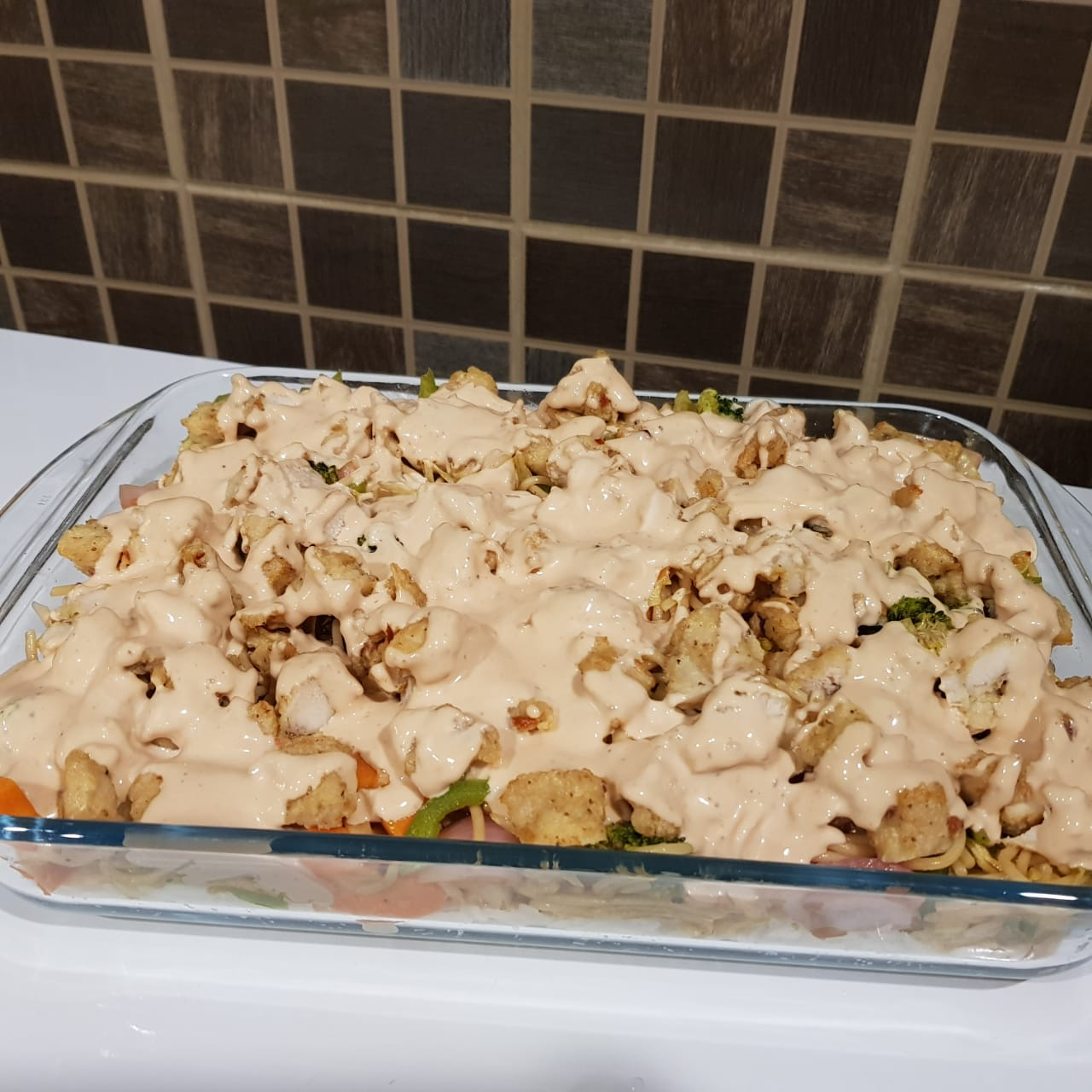
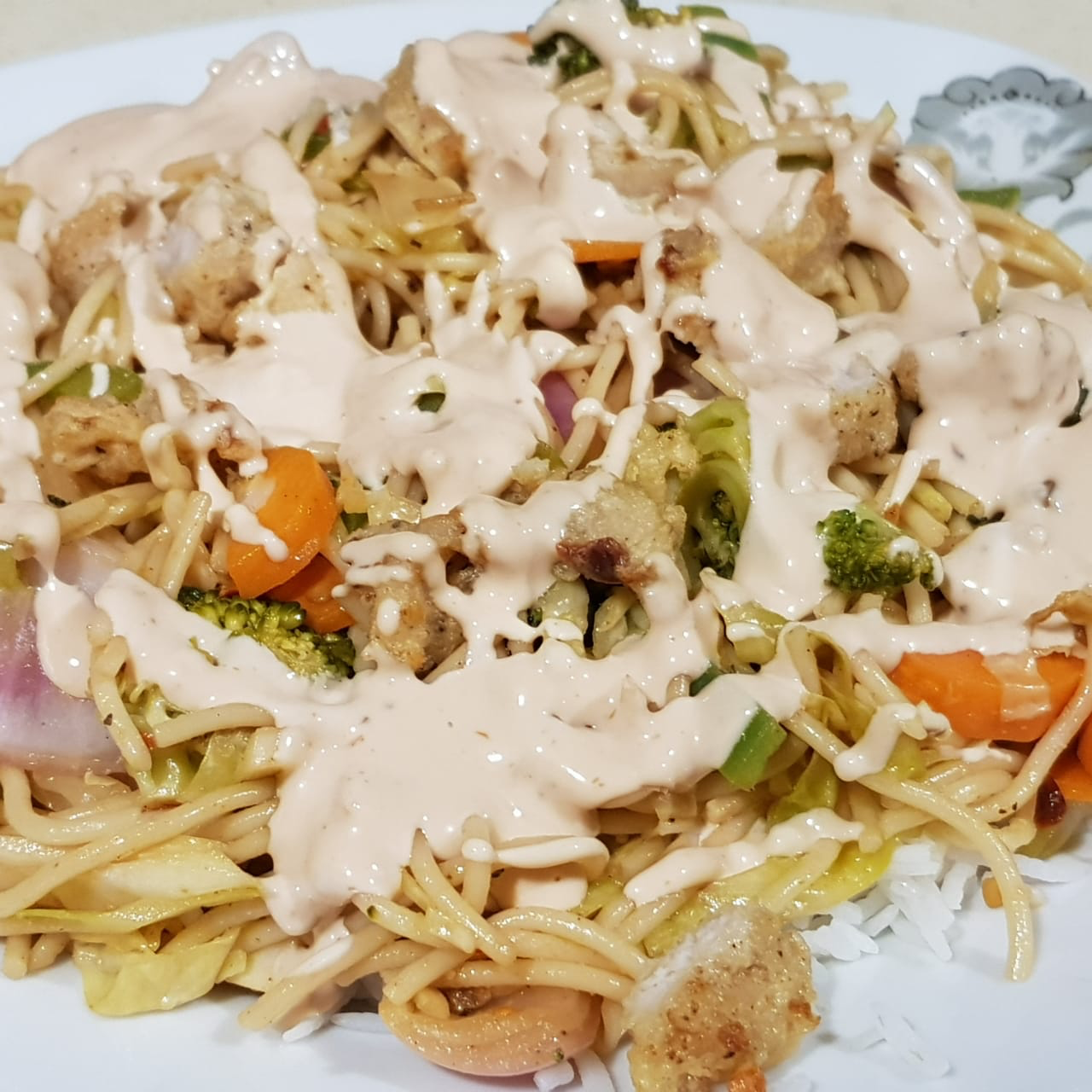
Today we are talking about Singaporean rice, I am assuming its a singaporean dish. A perfect weekend meal, but be prepared to wash a lot of pots and pans, but trust me when I say its all going to be worth it.
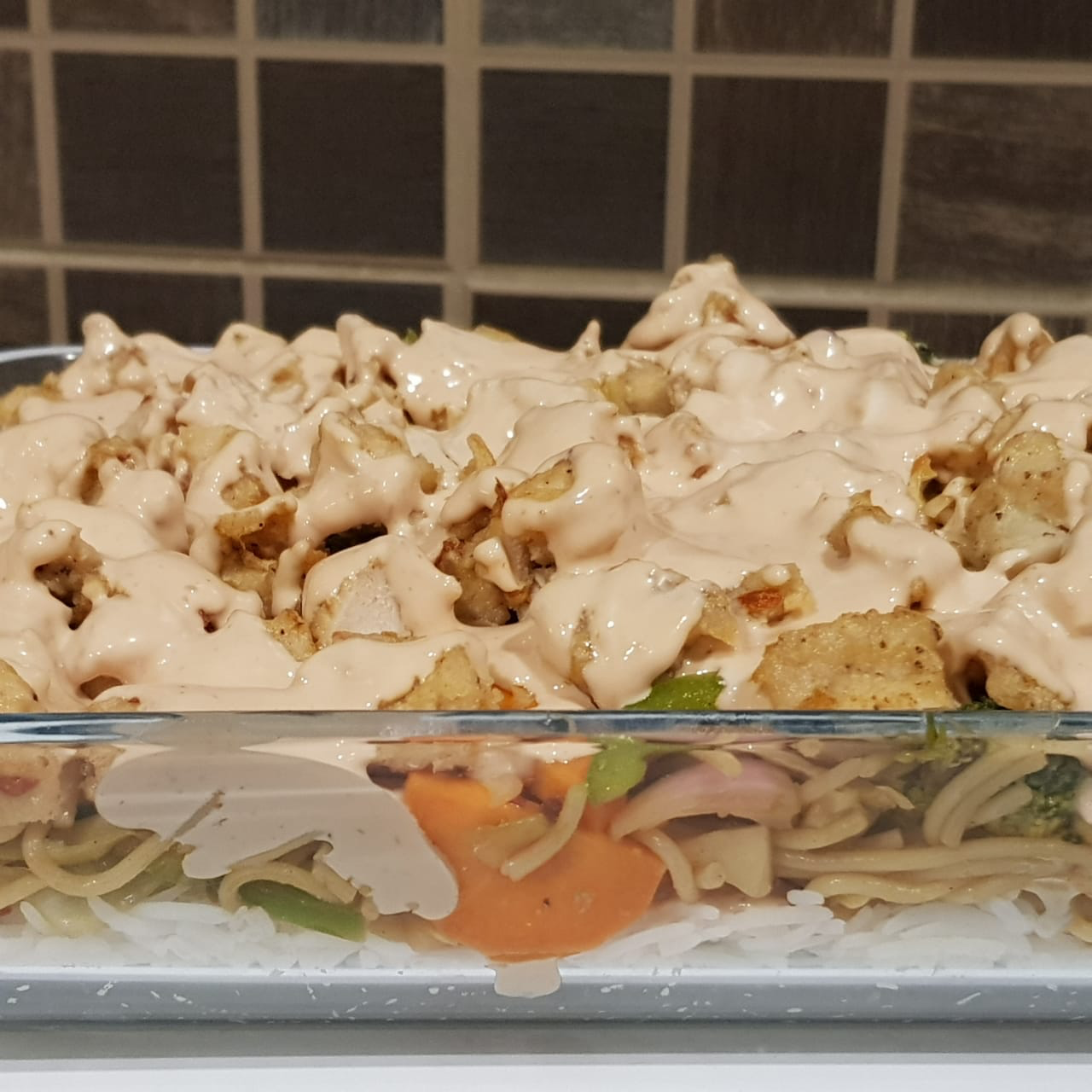
Its a dish made of layers of rice,mayonnaise sauce spaghetti, stir fried vegetables and chicken.
A perfect blend for a indo- chinese dish.
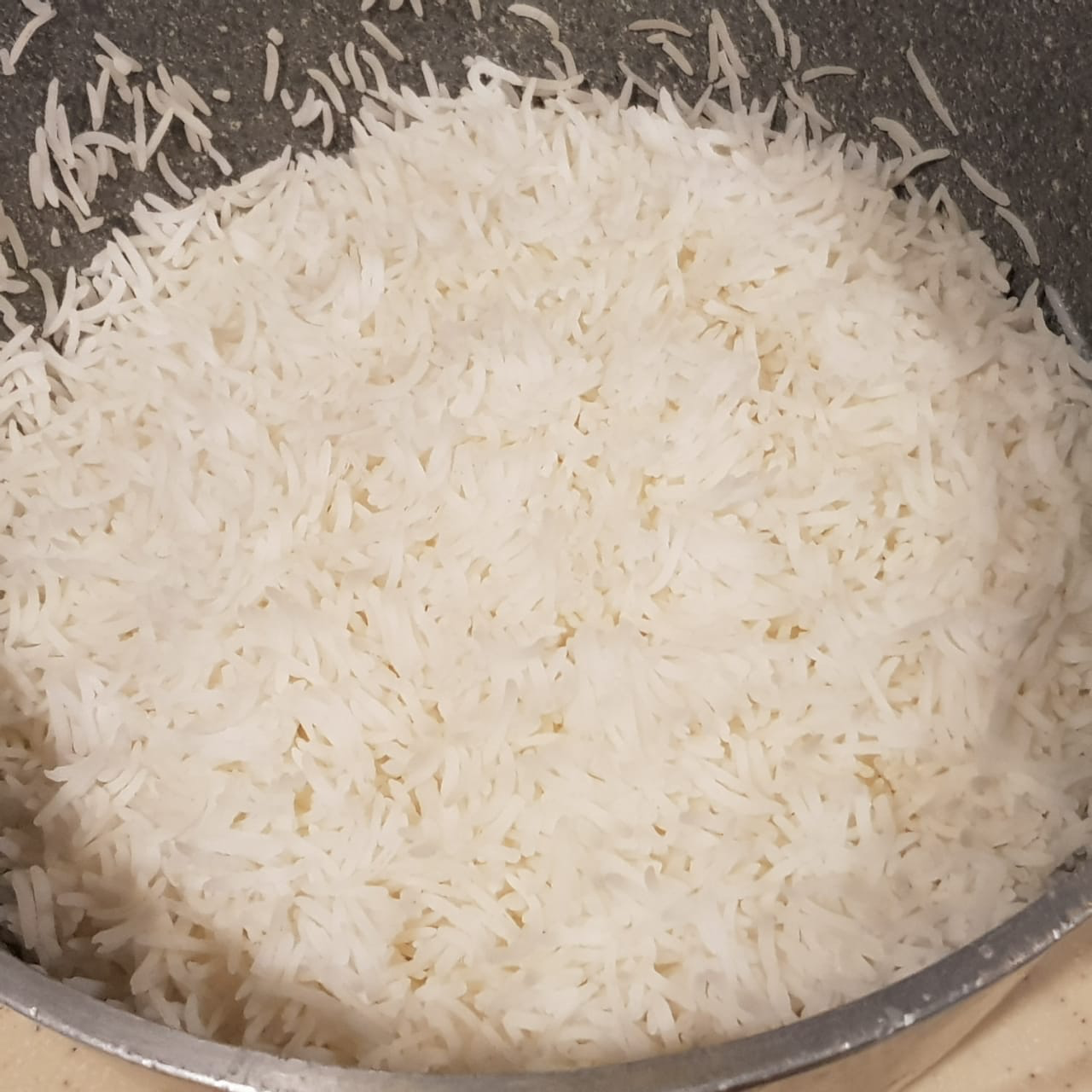
First, rice is boiled with salt and then stirred with a teaspoon of oil.
Noodles are boiled with salt and then mixed a with tablespoon of oil so they don’t stick to each other.
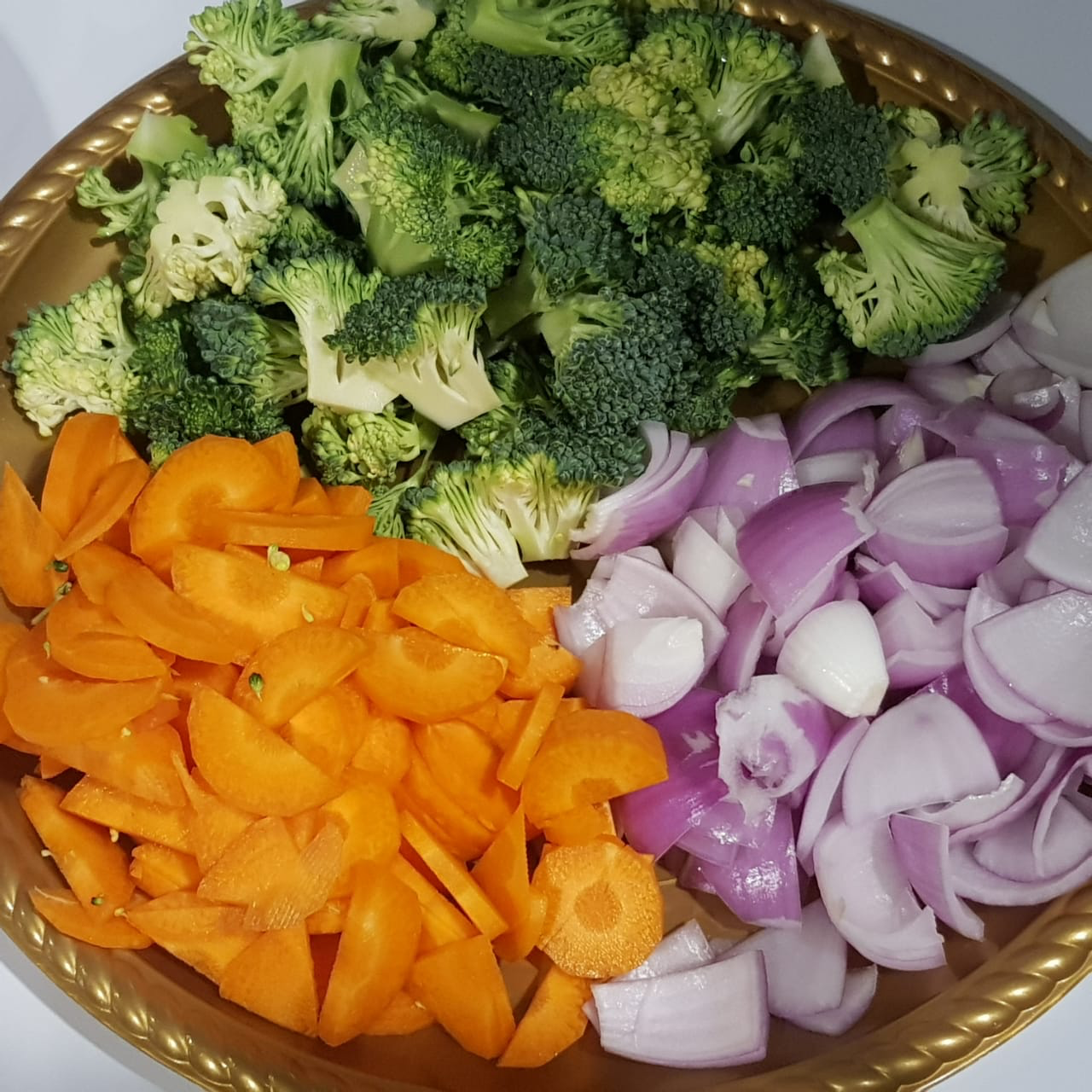
Cut your veggies, broccoli, onion, carrot and cabbage.
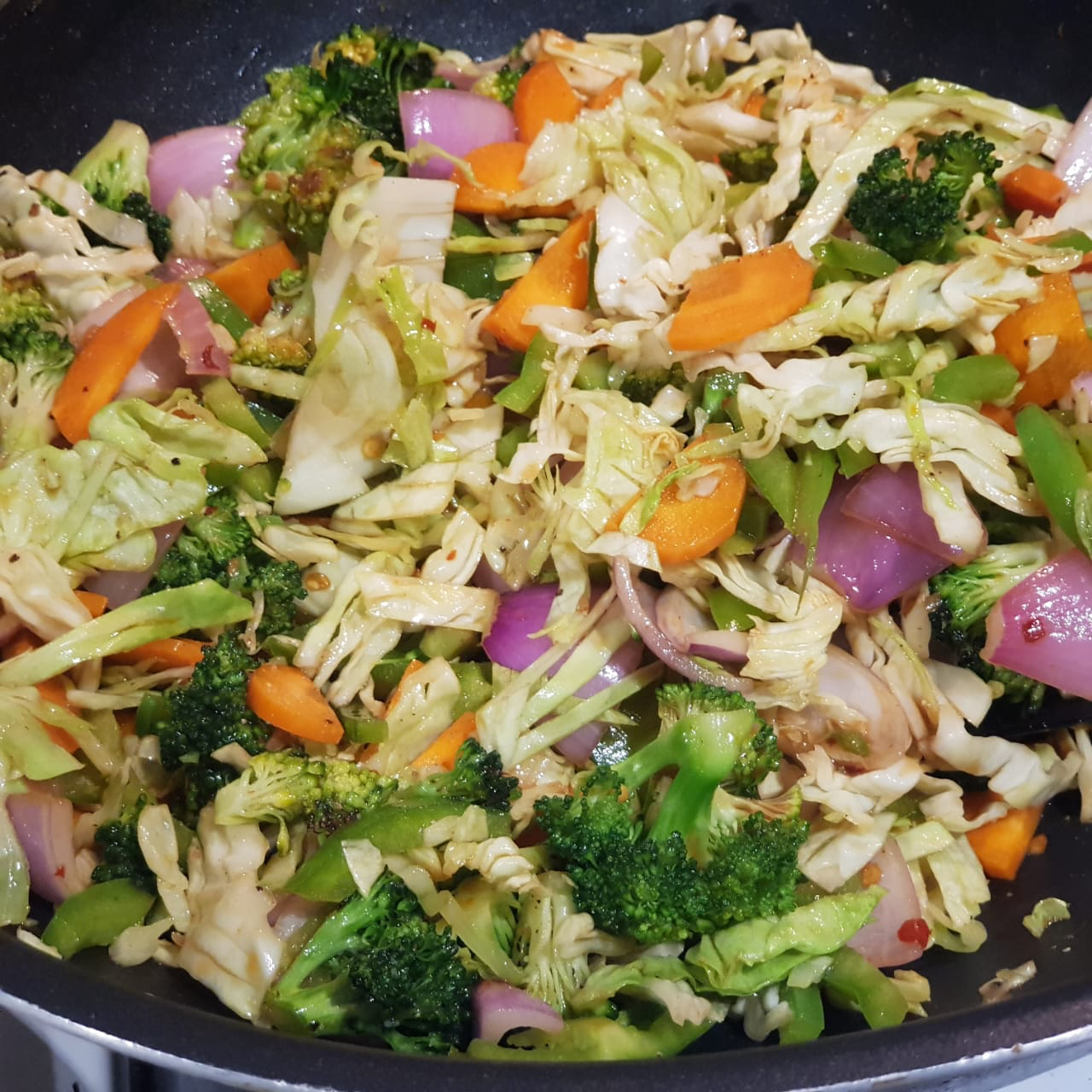
Vegetables lightly stir-fried to maintain their firmness and crispiness, I am sure nobody likes a mushy mess.
Stir fry the noodles
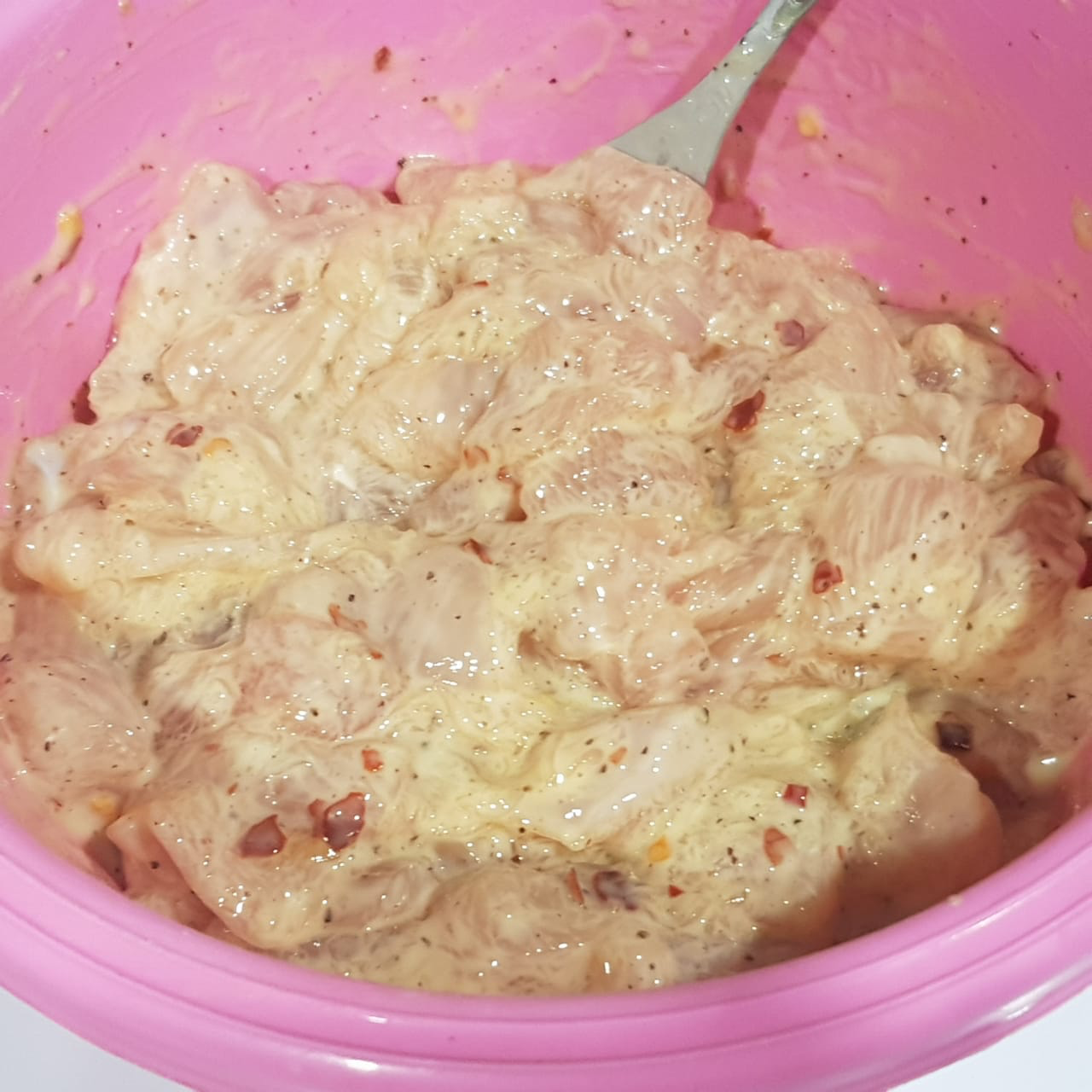
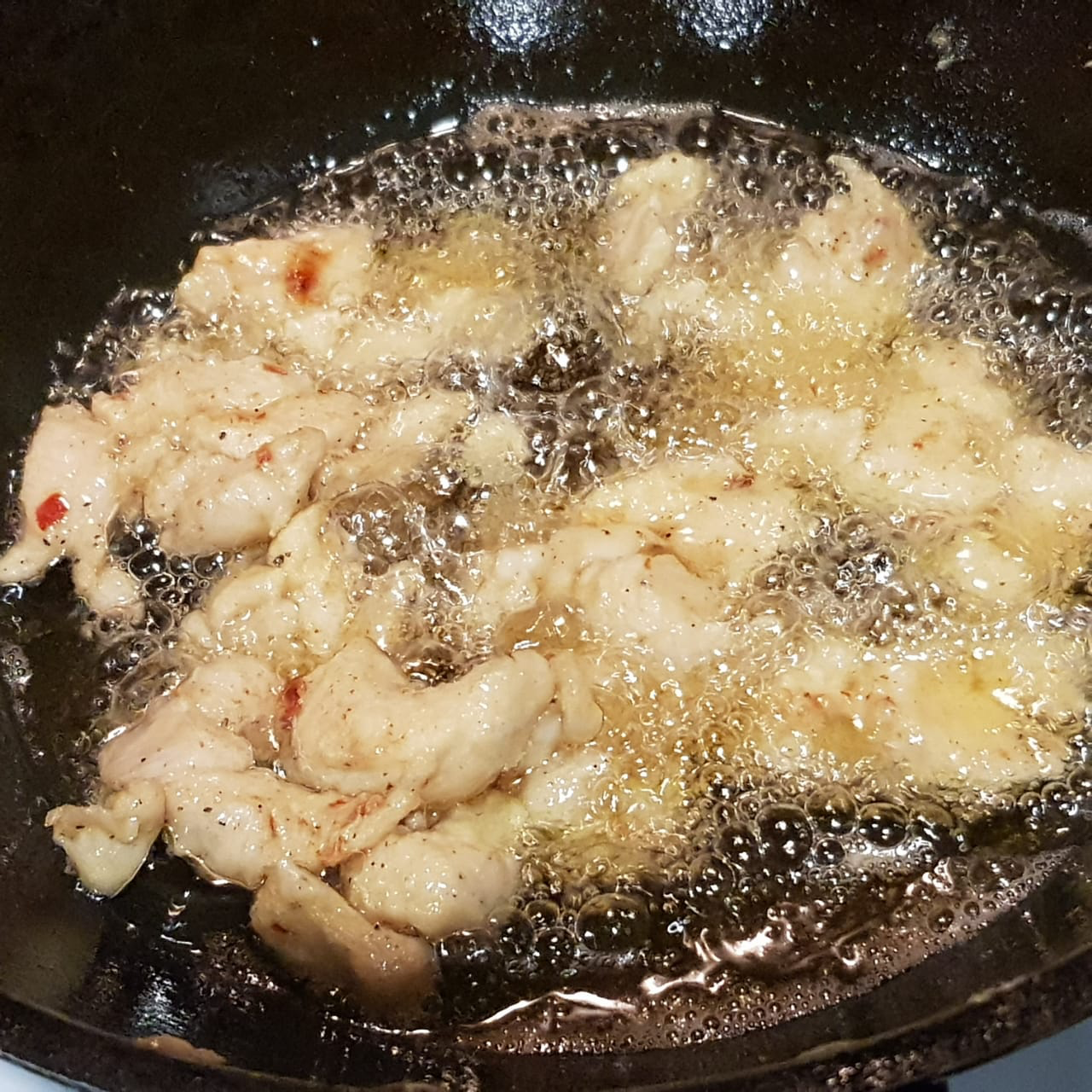
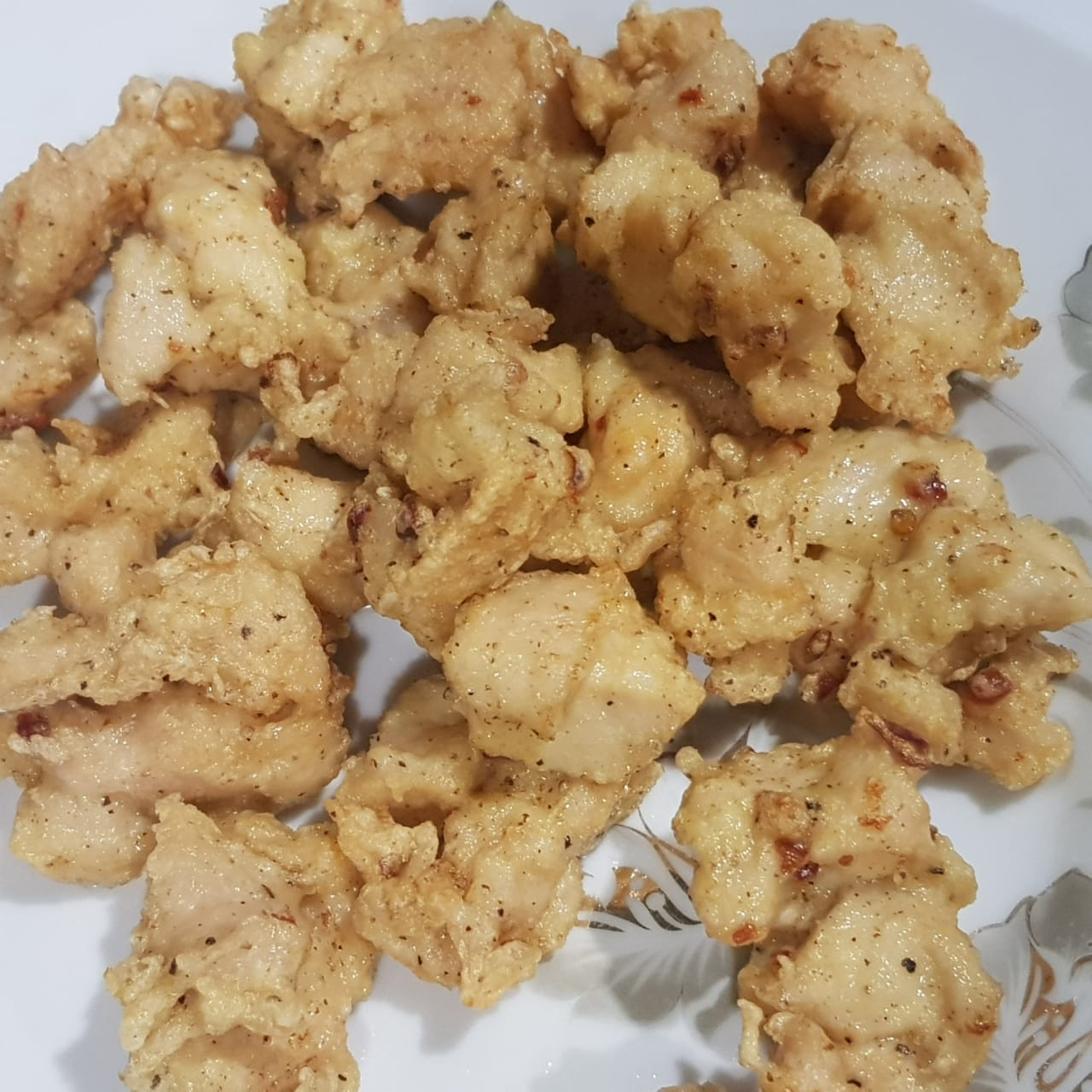
Chicken marinated with egg, flour, cornflour and seasoning.










 Femmerepublica