Rabbia Sohail

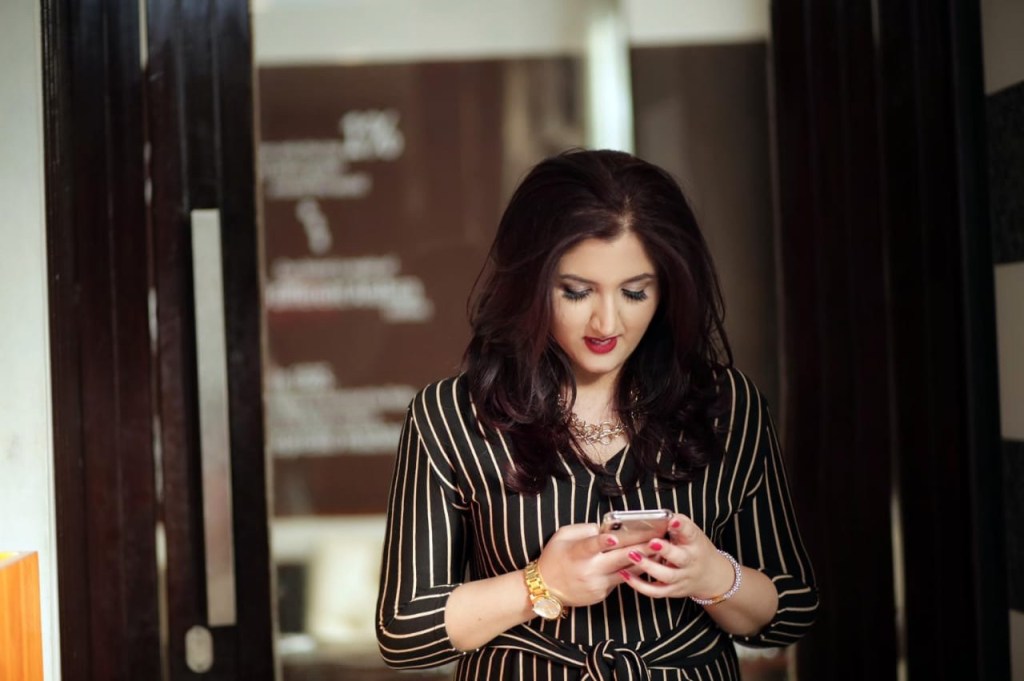
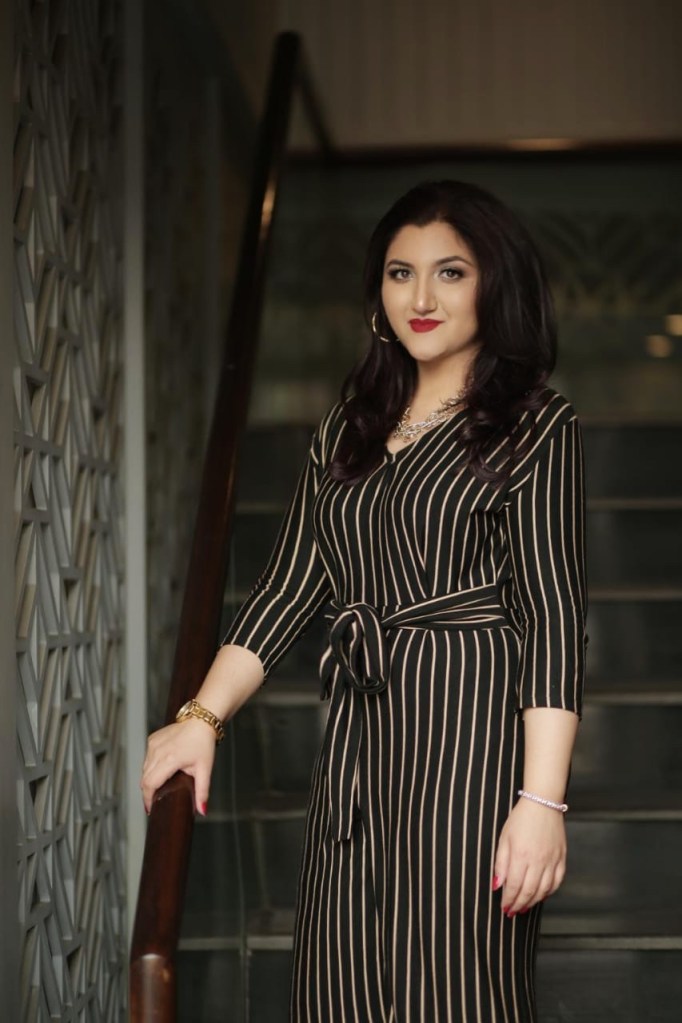
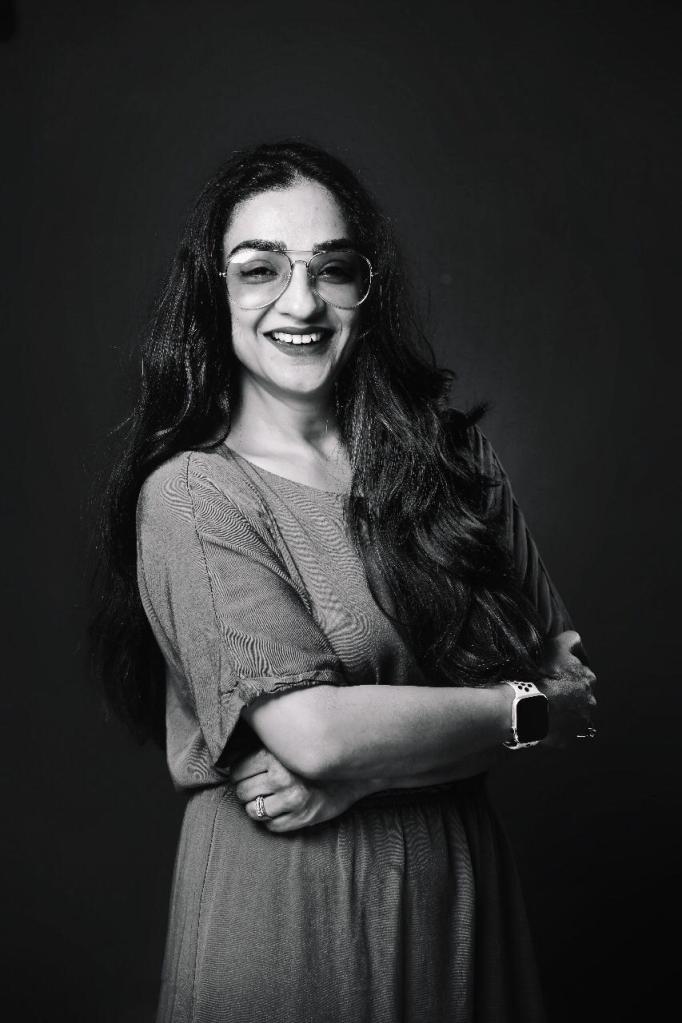
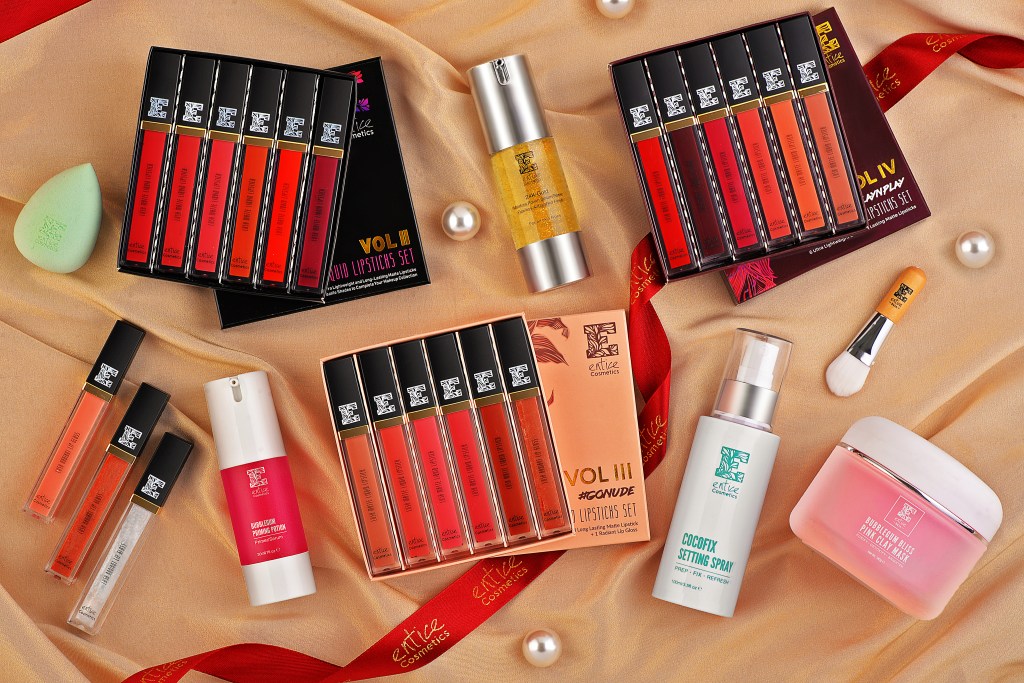
Born into a Pakistani family, she speaks with the humility and tone one would expect from a daughter raised in our culture. A short conversation with her, however, proves that she is anything but stereotypical. She speaks with confidence of a successful entrepreneur, as she explains the background of her makeup and skin care brand, Entice Cosmetics. The brand turns four this year and sells everything from lipstick to moisturizer.

FemmeIdolProducts shot

It’s creator, Rabbia Sohail, began her career in medicine and is still practicing regularly. Somehow, she still finds the time to put all her love into her business which she is clearly passionate about. She still isn’t sure where her decision to become a doctor came from. As a child, she remembers dreaming about becoming a doctor, but much of the actual decision may have been borne out of parental expectations. South Asian culture is complicated enough about career choices. Passion and dreams matter less than status and income level. We all grow up with limited choices: pre-med, engineering, business. And if you’re really rebellious (or, to older people, just a girl biding her time until her wedding), humanities.

Rabbia doesn’t regret her decision though. It’s hard to make it in the medical field – the time and energy you give to the study of it is a huge investment. She found herself enjoying the profession. It wasn’t until her fourth year of study that she realized there was something more out there that was calling to her. She wanted to do something more on the side. Something she could share with the rest of the world.

Once she decided to start a small business, all that was left was to find a niche that went unfulfilled in the market. That’s where Entice Cosmetics was born. As a medical professional, Rabbia had the knowledge to truly be able to understand the ingredients that went into beauty products. She knew that health and beauty was a very profitable sector for business and creating truly cruelty-free, paraben free cosmetics with the best ingredients would be a valuable contribution to the industry. Since she was catering to women in Pakistan, this was no easy task.

Rabbia is a London native. It doesn’t take long to realize she has spent time abroad because her English accent gives it away. But she saw potential in the Pakistani market. Women were willing to pay a lot of money for trusted brands from outside the country. When she started, most international brands weren’t specifically catering to the women in Pakistan. Online resellers were everywhere but the quality and reliability of such businesses is always under question. Pakistani women needed a reliable and trustworthy source of cosmetics that provided the same quality as top international brands.

“I felt really lonely in the first two years. I only had two friends that I made throughout the journey… I would have been so much healthier and happier if people had given support.”

Self-starting a business is hard. Starting a business as a woman is even harder. The backlash was twofold. It started with her own family. Going from the perfect Desi doctor daughter to what basically amounts to a makeup seller is a huge step down in status. Her parents tried to talk her out of it fearing.

she would fail. She recalls her parents’ reactions, “I remember coming to my parents and they were like, “Please talk to us about it.”… [but] they would say “Just leave it. Just forget about it.” Those few years in the beginning were the most difficult . She managed to hold on to a few close friends but her support system largely fell out of place. It was lonely and discouraging. Rabbia talks about her parents with the kind of love that shows how close they were before that point. She still felt the sting of those unhappy years without her family to turn to.

That wasn’t her only obstacle to getting her business going. Working on starting a business as a woman is a tough job. Most of the people she had to work with were men who didn’t take a woman seriously. It was tricky to get manufacturers to do their job right and on time because they were always looking for shortcuts. It was worse in Pakistan than other countries. Pakistani men fought back against a female presence. The culture was too strong to break away from. She found herself needing to take shortcuts too. “I have staff who are male and I have to get them to deal with people because otherwise there’s no way around it,” she says.

In addition, Pakistani manufacturers often cut corners, neglecting using quality ingredients in the factory but she could always tell when something was off. Dealing with the dishonesty and unnecessary red tape was another roadblock to a successful business. She eventually had to find manufacturers abroad that were easier to work with.

“… I always reach out to help people who are starting up or want to start up or if anyone asks me anything. I immediately jump in to help because that’s what I missed when I was growing or when I was starting out.”

Even though her brand of skincare and makeup is well established now, her vision for the brand is far from over. She’s planning on adding a third sub-brand to her store soon and no matter how much we wanted to know, she insisted it had to be a surprise. Just as we started anticipating the new addition, she proved there truly was no end to her ambition. She wants to take the brand international at some point in the future, although the logistics might take some time.

The most exciting part? She hopes to open a physical store in Pakistan one day. Rabbia seems to balance it all so smoothly so we had to ask. What is it that keeps her going? Well, coffee of course. She admits to being an absolute addict, consuming four to five cups a day. If you follow her on social media, you already know this. Her appeal is obvious: she’s relatable, genuine, and glamorous all at once.

If Rabbia is anything, it’s dedicated, “ I think I’m very resilient. I don’t take no for an answer, whether it is in my professional or personal life. If someone says I can’t do it, I am gonna prove them wrong.” She was confident in her abilities and she did prove them wrong. She credits her persistence and the power of prayer to her achievements, “I feel like prayer guides you in a way. I do believe that if you work really hard, god won’t disappoint you.”


“There’s a lot of issues when you first start a business. You go in to loss and you have to be prepared for that.”

As far as any budding entrepreneurs and dreamers looking to make it in the business world, she has some advice. Start small, with one or two products and expand once you have the money. Make advertising your friend and don’t be afraid to spend money on influencers and bloggers – whatever gets your products traction on the internet. And perhaps most importantly, don’t give up. There will be obstacles and all kinds of reasons and justifications to turn back but Rabbia has one final piece of advice for start-ups: “Keep going and don’t give up, [you] will get there in the end.”

FEMMERANG’S ONE ON ONE WITH Faiza Mubeen

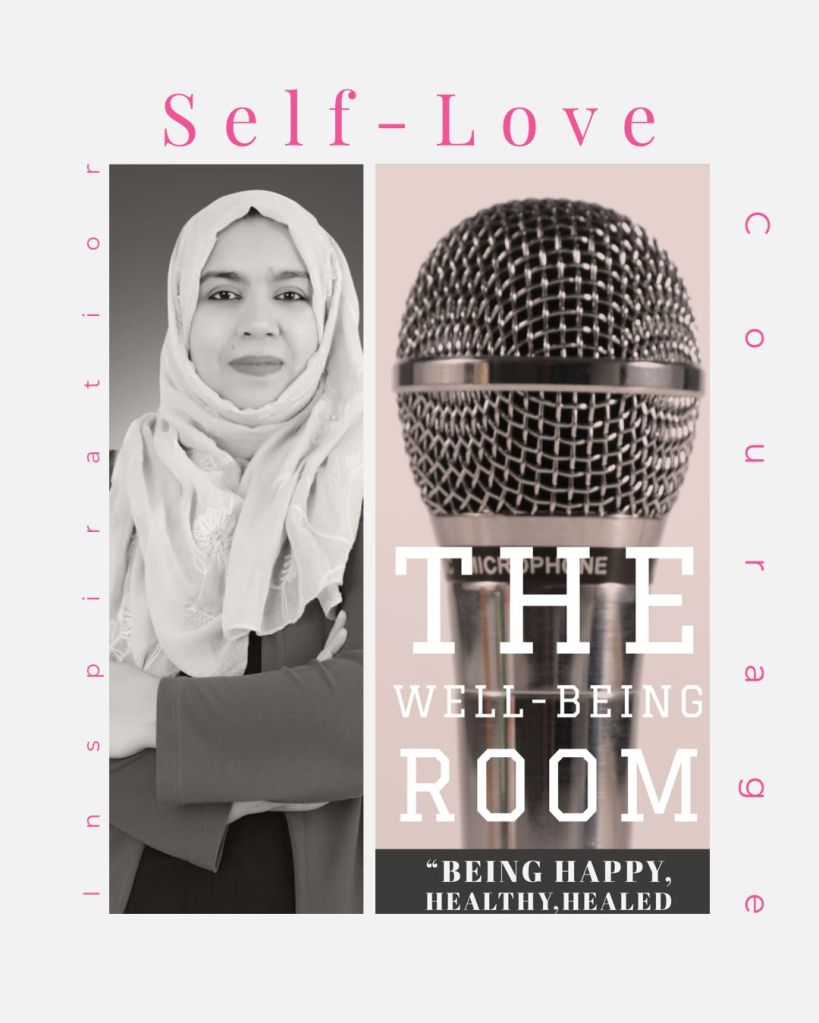
Faiza Mubeen

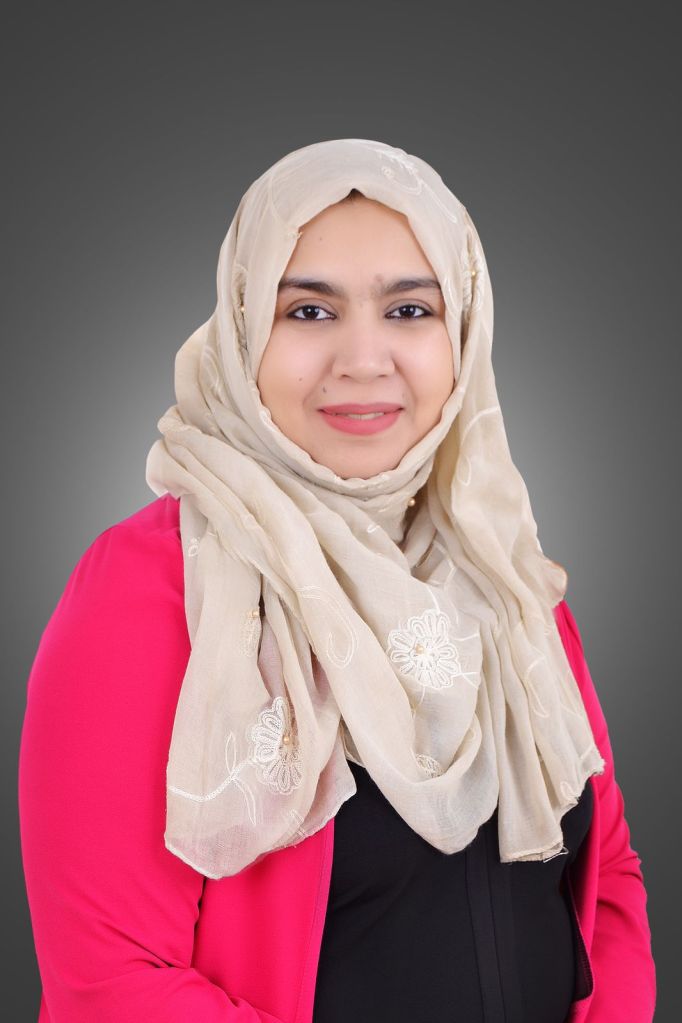
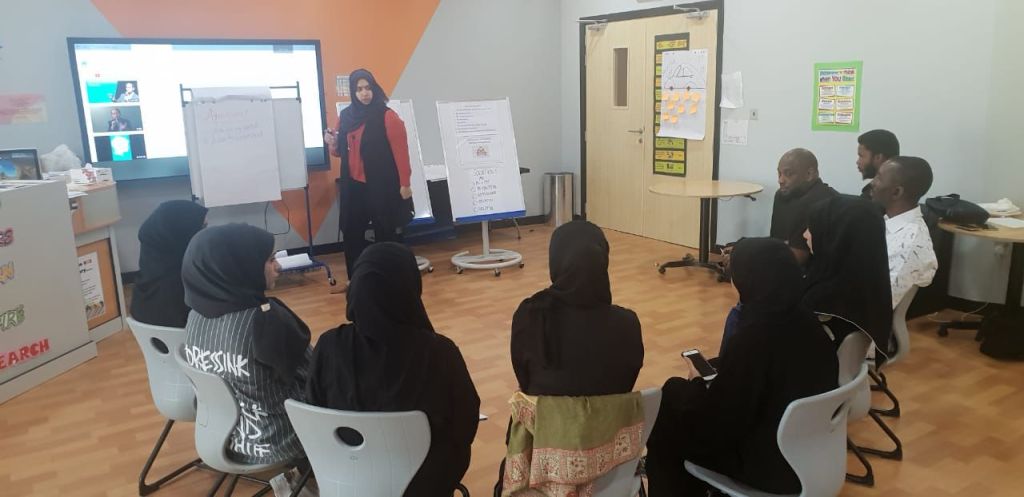
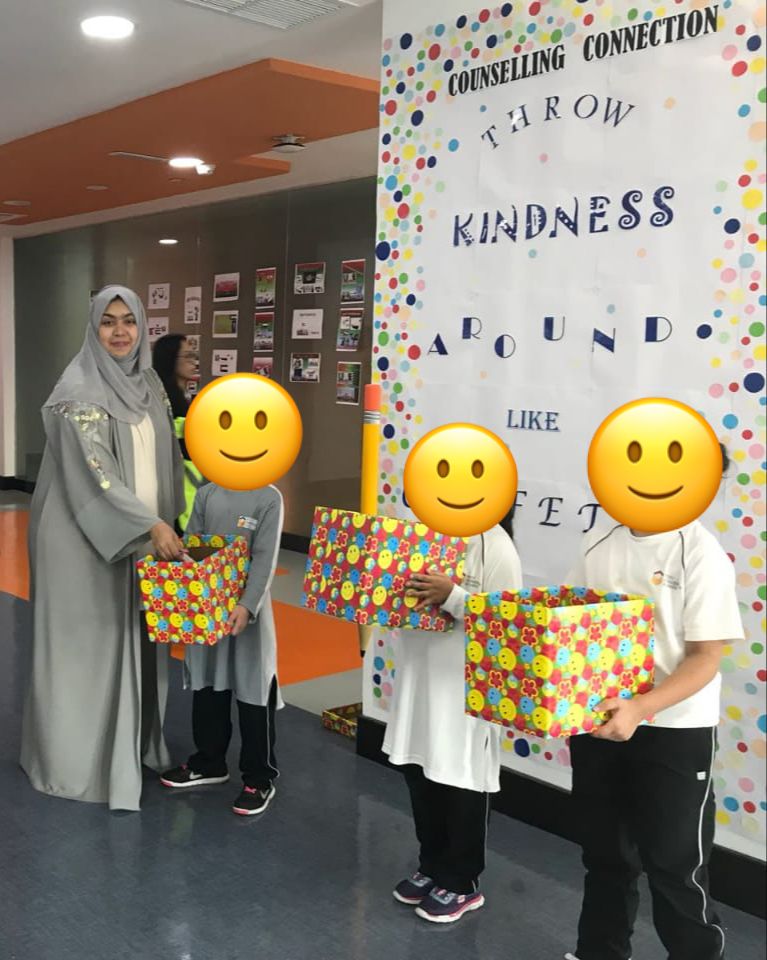
Faiza Mubeen is a counselor and a part of many projects related to women and mental health. We sat down with her for a live session.

We wanted to know about her work and what makes her want to do what she does.

Femmerang: What made you decide to go into this line of work?

Faiza Mubeen : In the words of Langston Hughes, I believe my students should have the opportunity to ‘hold fast to dreams.’ I have been in schools and learning spaces for the past 16 years and each time I learnt that one of my students has achieved a dream of going to college or achieving her/his goals, I felt it as a rewarding moment.

I would say, the reason I decided to join and then, stay, in this area of work is that I revel and rejoice in the students’ achievements and accomplishments, believing very strongly that my partnership and support during their learning journey has contributed to their success. 

FR: What was the first moment you knew this is what you want to do?

FM: I was 16 years old when I started teaching as a junior teaching support at a local school. I enjoyed it and that was the time I knew I would be in remedial and support programs for students. Counseling and inclusion is an extension or progression in the similar line of work. 

FR: What is the most challenging part of this work?

FM: Counseling is challenging and rewarding at the same time. However, some challenges are worth opting for. As you know, if given the right time and effort, the reward is huge.

There are several challenges but the hardest of them all is to ensure safety while making the student open herself/himself to you and keeping your personal judgements aside and most importantly setting relationship limits. 

FR: What is the most rewarding part of this work?

FM: Student success and them finding their sense of belonging.

FR: Is there a sense of fulfillment in this work? Can you speak about that?

FM: Human interaction with positivity and appreciation is always rewarding and gives a sense of fulfilment. Counseling is all about supporting people and specifically young people to find themselves, their strengths and work on the weaknesses. This is for sure a very satisfying and fulfilling feeling for anyone to have at the end of each day.  

FR: Tell us about the book?

FM: SHE DARES is a project of Mena Speakers, an organization that works on women empowerment in the Middle East region.

I am proud to be a part of this wonderful initiative together with 30 plus women co-authors. The book is filled with enlightening and emboldening life stories to inspire the readers. 

FR: What inspired you put it together?

FM: Reading & writing have always been my passion and I strongly believe that both are the strongest acts of communication.

I was contacted by the organization to pen down a piece that would be inspiring and encouraging to young women readers. 

FR: What can one expect to see in the book?

FM: You would be able to read 30 plus real life experiences penned down by internationally recognized women leaders. The launch is expected to be at the EXPO 2020 in the thriving city of Dubai. 

FR: What is next for you?

FM: I am excited to be able to attend school and learning institutions physically, unlike the past two years. I am positive and feel ready to embrace the new normal.

I am looking forward to a very exciting year, more focused on pastoral care, wellbeing and career/academic counseling and guidance. 


FR: What is the one thing that you would want the world to know about you?

FM: I would want the readers to know that to me, it is extremely important to seek guidance on crucial aspects and points in life. I learnt at a very early age in life that a sense of belonging is fundamental to our life satisfaction, happiness, mental and physical health and even longevity. It gives us a sense of purpose and meaning. Do not hesitate ever to keep craving for your sense of belonging as it keeps you rooted and yet innovative. 

FR: Thank you so much, Faiza, for speaking to us! It was a pleasure to have you with us.

Femmerang’s One on One with Marium Zara


Femmerang’s-One-on-One-with-Marium-Zara

Femmerang’s One on One with Marium Zara

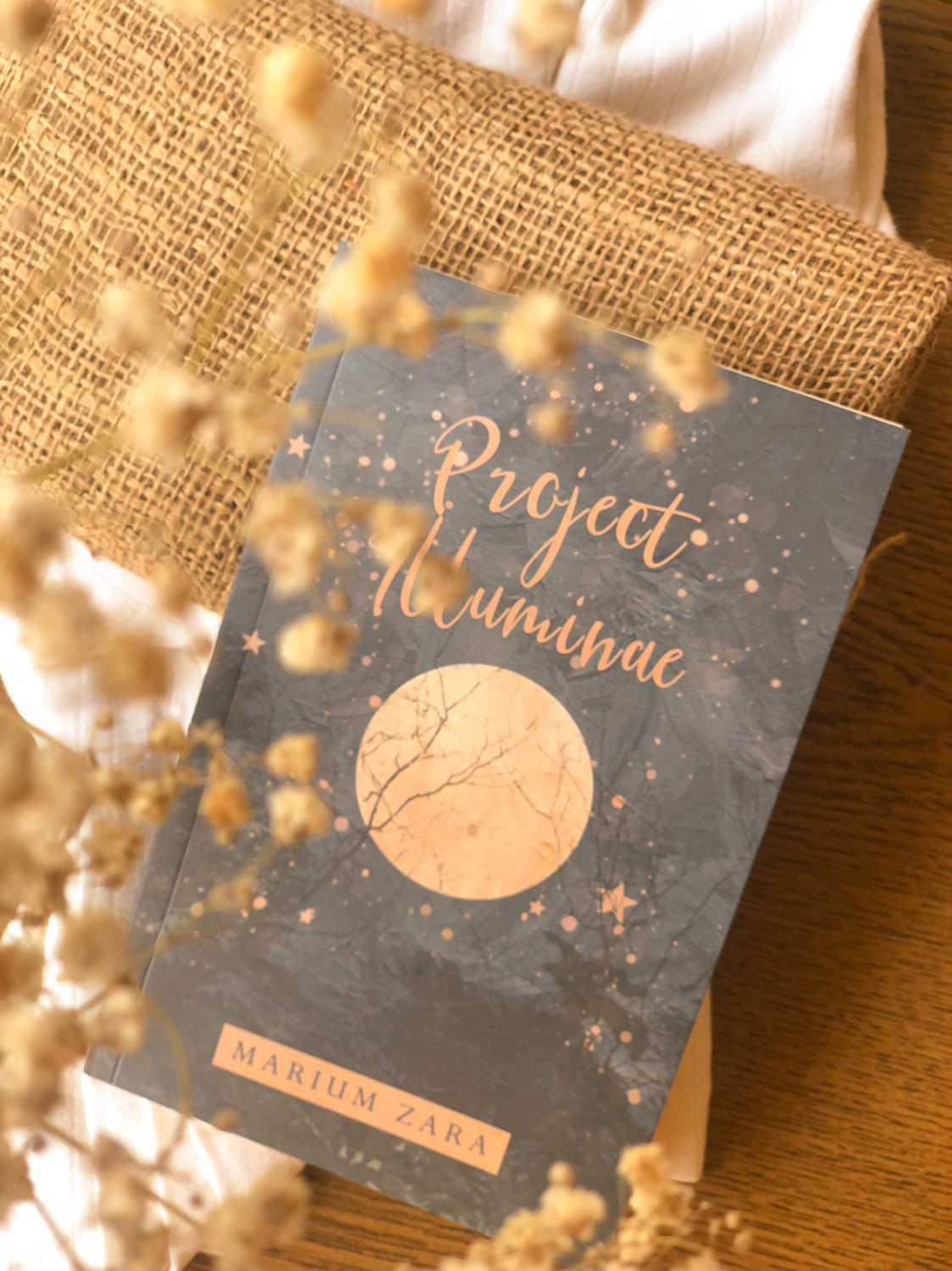
Author of Project Illuminae

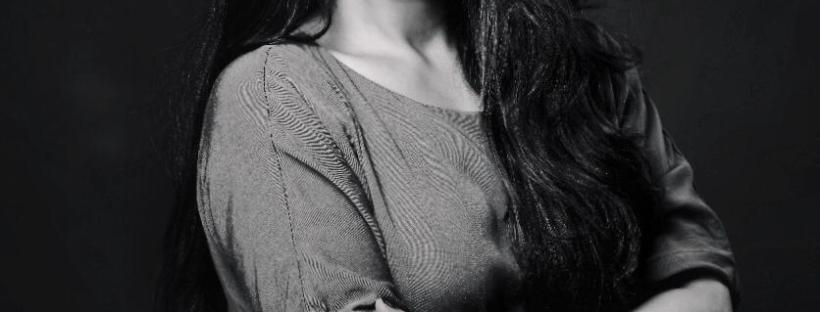
I’m sure you have heard the term calm within a storm. That is the best way to describe this young woman, Marium Zara. She is wise beyond her years. Her work, her passion for what she wants to achieve speaks for themselves. She describes herself as someone who wants to do a lot more in her life. Someone who is just getting started, to us she struck as someone who is well on their way to achieving what they have set out to. 

She’s the author of the book Project Illuminae, which is a poetry collection about life. It entails her life and a mix of what she has learned over the years from her surroundings and other people’s experiences. According to the author herself, “I tend to internalize everything around me very quickly. That plays a big part in my poetry as well.”

Marium is the youngest of her siblings. That already puts her in a league of her own. One does become insightful growing up as the youngest in a family, especially if you have educated older siblings and one is in the mental health profession. She learned a lot about life, watching life happen to others along with her and watching her elders deal with it as she grew up among everyone. She comes from a conservative family, but they never restricted her dreams.

She says she has had an existential crisis all her life because “when you are the youngest, you have to fight for your voice to be heard because everyone thinks that you are not making sense, or you don’t know how the world works.”  Writing became a release, a way to keep her voice and her identity.

In fact, her father was an avid reader, and she remembers him talking about authors and encouraging her to pursue the field of English literature. She has a Graduate Degree in English Literature from the Islamic University of Islamabad. She graduated last year; speaking about going to college and getting her degree, she explained that it helped her understand the language that made it easier for her to write and comprehend what she was doing on a higher level. 

She started with writing short stories and even a novel, then somewhere along the way, she realized that was not for her. She realized that she was more comfortable using “metaphors” and “language that would suggest something.” ‘When you live in a conservative family, you are not able to speak clearly and be straightforward with everyone. Poetry felt very safe to me, and it helps you be more open without being very upfront.” These statements ring true for all of us no matter what kind of family we come from, whether we are writers or poets or not. This young woman has it all figured out. She understands why she chose what she chose and how this will define the rest of her career. She started writing poetry when she was in 7th grade. The inspiration hit while in the car. She looked out the window and got this sudden urge to write something. There you have it, folks. That’s how stars are born. We are full of cliché’s today.

In her book, she discusses the limitations of her freedom, her mental health issues, and so much more. She is very vocal about her mental health issues. Here at femmerang, we find that to be a courageous move. Not many people own up to what they are going through because of societal pressures and what people think of them. To be this brave and wise at such a young age is admirable. 

“Whenever you want to go to a psychologist, everyone deems you as pagal. They don’t see that you need help with your emotions. It’s just like an illness that you get a cure for; if you have the flu, you take medicine. If you have a mental illness, you go to a therapist so they can help you.’ She dealt with depression during her teen years. We often ignore young adults’ depression with the shrug of a shoulder, saying it’s just a phase. Explaining her symptoms of depression, Marium said, “You don’t even want to get out of bed. I wouldn’t go to school for days; I wouldn’t do my work; I was like, what’s the point of it. It was hard to focus on my studies. I was surprised that I got into a university the way my grades were going down. There are also up days. I used to think that it’s hormones, but I don’t know now.” 

“when you are the youngest, you have to fight for your voice to be heard because everyone thinks that you are not making sense, or you don’t know how the world works.”

She didn’t get help until university when her friends persuaded her to see a psychologist. “The therapist helped me a lot. She told me to write everything down that was burdening me. That also led me to write as well, and I wasn’t suppressing anything anymore. That’s what mental health is all about. When you suppress things, you’re not your true self.

Her brave endeavors didn’t stop there. She finished University and wrote a book. She was scared to show her work to people because of the fear of being judged. “I don’t show myself on social media because when you’re out there, you are vulnerable. More vulnerable than with your actual words. Whenever a person reads a work like this, they think the person who wrote it must have gone through it.” On Instagram, you can tell people that it’s not your life, but as an author, that’s not possible. 

So, what does the future hold for this young woman who has already accomplished more than most? She says she is working on something new. She has no plans of stopping. There is much to do. She feels like Millennials are always thinking about what is coming next, and if they stop for even a moment, they feel like they have lost so much and are left behind. She is not someone who is behind in anything. She can be sure of that and relax. Relaxing is good for our mental health as well. However, something tells us she has got her psychological health covered.

You might also want to read: collaborating with Iyzil

Femmerang had a chat with, Director, Photographer, Mother, Wife and Home-Maker Mandana Zaidi

Femmerang had a chat with, Director, Photographer, Mother, Wife and Home-Maker Mandana Zaidi. Let’s Dive in.

Femmerang: Starting with your childhood, tell me about where and how you grew up.

Mandana Zaidi: I was born in Nairobi, Kenya and Kenya’s conditions were not very likable after a few years of our birth. My father’s side of the family lived in Lahore, Pakistan & he said he wanted to go back to my homeland and there’s nothing like a homeland. My mother was not in favor of us moving but she couldn’t sustain. We lived in Nairobi for ten years and four of us, two brothers and two sisters were born there. Then, we all moved to Lahore and I think I was five years old when I moved to Pakistan and since then I have been here, in Lahore. My father has been a professor and then the chairman of Punjab University, fine arts department, so, art and painting. My mother was also a fine arts student & she was a painter. So, they met there, had a love marriage and my mother was the only daughter.

So, we came back to Pakistan, lived here long. My brother, who was the eldest, was never happy here. He said I don’t want to live in Pakistan. He was the one who left Pakistan after FA. After FA, he said to baba (my father) that he did not want to live in Pakistan and my father told him he would send him abroad if he gets admission and passes the exams. So, he actually did that. He applied for universities and got him admission and then my father had no choice, and being a professor at that time, he had two jobs. He was working for advertising and was simultaneously teaching at university. It was not easy for him to send him but as he had promised, we actually had to give up our home in Model Town and give it out for rent and move to a new campus, residential area, which is given to university professors. And, we moved and my brother was sent away to the USA for studies.

We have spent our whole life in Lahore and he went abroad. I completed my master’s in fine arts from university and all my education is from here, fine arts in Lahore College because ‘’ didn’t have fine arts at that time. So, that’s it. I pretty much had the culture in my house of a lot of students coming for help from my father, a culture of art and craft, assignments, and projects and I was very close to my father, always glued to him. I had a very strange relationship and a very close one with my father. My mother was a housewife; she had to raise four kids. She used to teach in Grammar but then she had to leave because we were too young and it was complicated. And then she was diabetic so she could not survive it, shortly after I got married.

Our childhood was very nice. Cousins used to come and stay over during summers, there used to be my father’s students at our place, a lot of interactions with older and younger people. So we were all very social, rather say I was very social, my brothers not really and my sister was not also really. I think because I spent a lot of time with my father, I was a very social person.

FR: So you basically got introduced to all these different kinds of people, different things because you were just close to your father, you spent a lot of time with him.

MZ: And my father is like a poet, painter, and writer. So, there is a lot of influence of all of those things, and art. Mostly on me than any of my other siblings and I am the only one out of my siblings from an arts field.

FR: The way you saw women living in Africa, and then you came to Pakistan, was there a huge difference? Did that impact you and your adult life?

MZ: I think there was a lot of difference. When we came to Pakistan, even the schools were Urdu medium. So, the education system we were used to, we had no sense of Urdu in our lives, it was very difficult. One year even got wasted because no admissions were taking place and also, even math and sciences were in Urdu, and we couldn’t cope with that. So, we had to waste a year getting our admissions, all of us actually stayed one year behind our classes. But then, it was hard to cope with it. I was very different as a child. I was very talkative and people could not understand this behavior over here. It was that time when somebody talking in English would be a prefect. And being a girl, and in my house, there were no limitations and it wasn’t like you are a girl so you cannot do this. I think I got that culturally from my house but had to deal with external things where my friends did not get permission to meet us or come over to our house. But, still, I made a lot of friends and kind of a good relationship with them & still in touch with them.

FR: What was your first experience when you first felt like you are now a woman.

MZ: I think I felt like a woman after I got my periods. You have to behave like a woman; that’s the kind of conversation that started happening around me. You can’t play with boys and I hated being a woman. My brothers used to ask me to not go out. They were very protective of me. It was kind of suffocating me but my father was the biggest supporter of what I wanted to do. I did everything, maybe in the reaction of it but I just had to be out there. There was no boyfriend and there was no need for it. Around me, all my friends, in my college time, started having boyfriends and this and that, dating, hiding it from the parents but I just didn’t like it. I could not agree with it and was very suffocated by that concept. How can you meet a guy and you’re bluffing and lying and you have a relationship and never going to be married to the same man and the love and all? I think already got it from my family, maybe that’s why. That care, that affection, that emotional strength that I needed at that age to know the right and wrong and to know the difference between what would work and not.

Boys who were my very good friends, and there were a lot of male friends I had, we had good communication. But, there is no concept like that in Pakistan. If a girl went out with you somewhere, guys used to think she’s his girlfriend. I used to make it very clear. I was a very straightforward, honest person when my feelings were concerned. I would love to say that yes, there were men that I liked but somehow I had this clarity there’s not somebody I could spend my life as a married couple with them. Too young to make that decision, that’s what I used to think. It was because of the learning from my father when he was home, he was sitting with me, chatting, writing, drawing, or doing something with his students, and am just sitting there.

FR: How hard or easy have you found it to be a female in the real world as a Pakistani?

MZ: I think I started working right after school. I did an internship in Lahore Museum, I remember. I said to my father that I want to do some work. I helped this woman for 3-4 months, the summer holidays at the time when you get admission into college, and when I was working at the Lahore Museum, I got exposed to a lot of nature, artwork, and catalogs. It was a lovely experience, very independent. I got some pocket money. That independence really took me from there to the fact that when I got to my university, I started acting. I stopped taking money from my father and I started paying my own fees. Since there was too much responsibility on my father, I wanted to do it myself. I started acting and did this play called ‘Shashlik’ and it was a very big, popular drama that came on PTV. It was a sitcom, and I played the role of a girl who came from a village, started living in the town, and she had to cope with it. Sarmad Khoosat was in it. Nadia Afghan was in it. When I was getting admission in the university, she called me and said you wanted to act so here’s the role, and we are shooting a pilot, come tomorrow and shoot it with us. It was that and I started acting. And from that, it just carried on and when I was doing masters, I left it because of papers and exams. I had to give my thesis so I had to drop it. And by that time I also met Ali Noor, who is now my husband. We started working on his album and his dream and passion and started dating him. When he said to me that I can only date a woman who can go tell her father am dating this man and I said that’s brilliant, I want to do that exact same thing. I went to my father and told him that baba; this is the guy, if you like him very good, if you don’t like him he’s going to be shelved. He had met him before because of my sister. My sister was working with him. So, he really liked him, his family and all, and said sure. That’s how we had a 7-year long relationship. And in that relationship it was quite crazy because at that time, having a relationship and because he was famous and the whole world knew about his girlfriend, the only sanity was the fact that I had I had told my father, my father knew, my family knew, so I had no fear in my head about it. Our relationship was primarily built on affection, love but also work. So, that kind of kept us together.

FR: Being a female in Pakistan, these things are definitely difficult to manage. For guys, they can do whatever they want, you can date five girls at a time, no one’s going to say anything and justify it as that being part of a man’s nature. For girls, if they talk to even one guy, people make a big deal out of it.

MZ: I am sure, I must have had this too but I was very lucky. I would say luck because there was no engagement, there was no commitment, and there was no thing like they are going to get married. I just went along with my gut and I believed in our relationship in a very different way, I would say. And sometimes Ali Noor says to me that we were meant to be together. I guess it was like that. As childish as we were at that time, we did a lot of breakups too and all that what young people do. But the fact is that things were so open with my parents, which I don’t think any woman has experienced. The relationship was so clean between my parents that they would criticize me, also told me things that I needed to know and at the same time they were not imposing themselves. They wanted me to be independent, to make my own decisions. And I think that is the only privilege I had than other women. I swear because of that confidence, I was able to not give a damn about anybody else. When you have your own support system with you, you don’t care about what the world is saying.

FR: That’s the most important thing as because of this girls and boys hide and end up making wrong decisions.

MZ: There are a lot of mistakes that can happen a long the way and a lot of heartbreaks and a lot of things that are involved in this process and I think, being patient and more logical about stuff kind of helped. Again, I had no friends like me, as because of their own household system, they could not do that. One of my friends, who really liked this guy, she wanted to marry him but her parents did not let her do that and got her married off to her cousin. At that point in time, it was all happening around me but in my house I felt there was always this freedom that my brothers also had and my sister and I we both had. We could make our decisions and they (parents) would support no matter what, whether wrong or right.

FR: Have you felt like over the years, in Pakistan or in general, the work you’ve done, it has been little bit diminished or has been not as appreciated as it would have been if you were a guy/man?

MZ: I think, I feel, being married and being in a relationship – I’ve been married for 16 years now and before that knew each other for 7 years – the biggest learning of mine is that over time I had different roles to play as wife, bahu (daughter-in-law), and daughter and now am a mother. The biggest role that I feel has been taken for granted is being a mother. It’s like you are a housewife, a housemaid and you feel guilty and it’s your obligation. Once you become a mother, the responsibility is by default yours. I think that’s where I don’t agree with this Pakistani culture. Men have completely taken a side role because you ate the housewife. Even if you’re working or not working, your job is to come home and take care of the kids. Your job is to cook food and to take care of or manage the servants that you have. But your duty is your responsibility but my (men’s) job is to work and provide.

FR: And these are not men who belong to older schools of thought, these are men right now who are enlightened, who are brought up with us and who understand everything. But they just have this idea and explaining this to them is so hard. One of things where you just want them to do it, take care of it. I am working the same hours you are and why am I supposed to just take care of it?

MZ: That is what bothers the hell out of me. I think, from an old generation, I don’t want to pass it on to my kids. I don’t want my son to think like that. I don’t want my daughter to think like that. I want them to have life partners, if they ever have, who are able to be like partners not be a just providers because that’s a very easy role, women and men both can have it but then woman having it will also be doing the house chores, so why can’t men do that? I think that’s what woman liberation is about. I don’t think it’s about anything else. It’s you who has to believe in it and in our generation, we were not able to be taught this and now the times are right, maybe the time now is when we can teach this to our children, to our boys, especially. I don’t think they should not know how to cook or make a bed.

FR: What would you do differently with your kids, to raise them? I know you have a son and a daughter.

MZ: I tell them the same thing everyday. I want my kids to be independent. My 7 year old is very independent. My 11 years old is very independent. And they are on their own, they can survive and they can do their own things and they don’t need me and I intend to keep it like that. I raised them to believe that if they need somebody in their lives that will be based on their equality, their partnership, their relationship should be stronger than just taking care because that goes hand in hand with being together. I tell them that you have to learn to cook, my son does a lot of things with me, my daughter does a lot of things with me and I just train them to be like this. There’s no difference being a man or a woman. My daughter says there is no gender discrimination anymore, mama. There is no thing as a woman or a man anymore. She’s already there. She says, don’t say that because am a girl, you’re asking me to do something. And I say, am not asking you to do it because you are a girl but because you’re older and you can do it. I cannot ask your brother to do it because he cannot even reach the stool right now. I can’t change my husband now but I can change my kids. And bring them to understand what their role in a relationship is.

FR: You said you cannot change your husband, which is true, how do you manage, household, husband, kids and all those responsibilities? I want to ask this question because I don’t believe that women can have everything.

MZ: I don’t believe in it too. I think it’s a lot organization. I try to keep my day more organized as possible. I have to have time slots to do certain things with my kids and leave them on their own for some time so they can do their own things. Give them space and own learning and experiences. And because my husband and I work together, we have a kind of relationship that also has work dynamics in it. For me, to find my space is very important. I have learnt it over a very long time, it is my responsibility to take care of kids and all but it is also my need to be doing something of my own and stay connected and have a kind of life where I can grow. So, that I try and balance it out as much as I can. With the passage of time, you come to terms with it. When I was young, and had a lot more energy, there was no way I would burn out but now I feel get burned out and feel like I have too much on my plate. I have to disengage myself from work I have given other people to do. So tend to do that now and yes, I can’t give my kids’ responsibility to anybody else and I have accepted it. It’s something I have to digest.

The only question we didn’t get to ask Mandana was that did she know Obama or her grandma growing up in Kenya? Maybe next time.
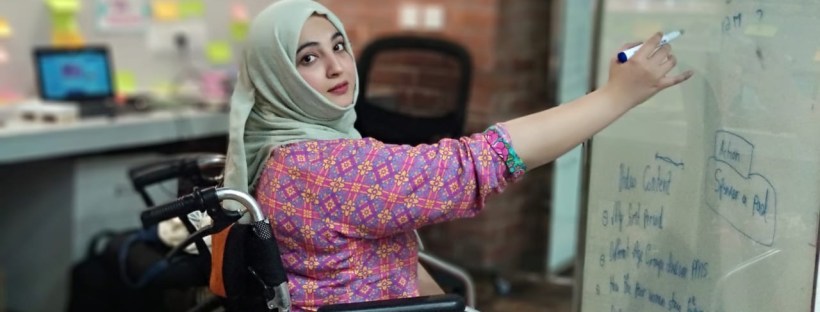
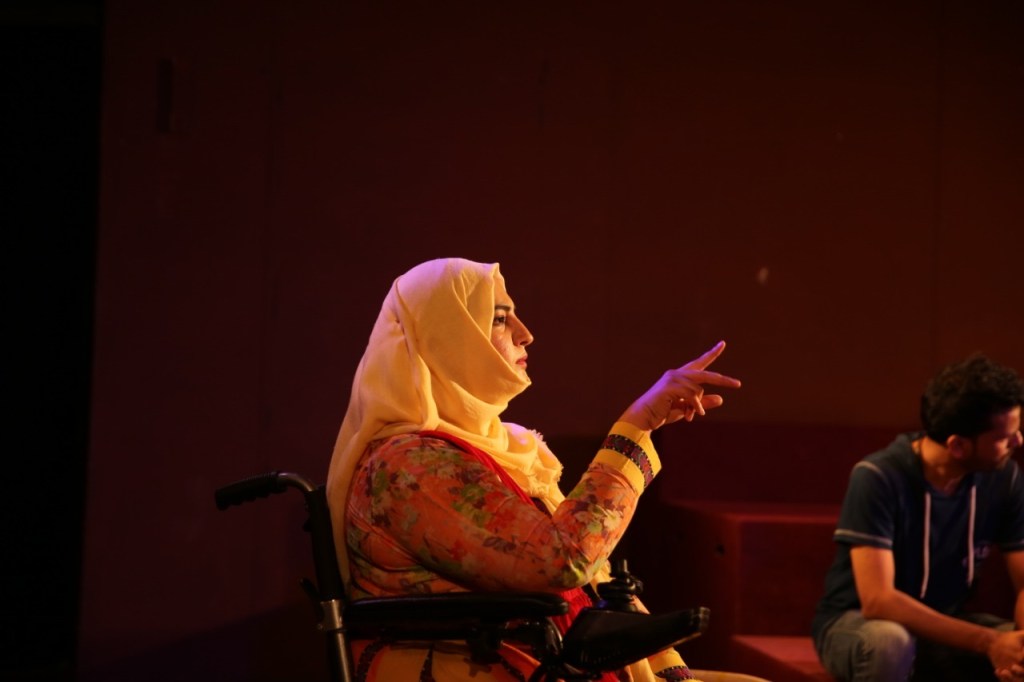
Interview with Tanzila Khan

Inventor of Girlythings.pk

Q1) What was your family like while you were growing up?

We come from an agricultural, landlord, background. My father served in the army. I have my parents and then I have one elder brother. My brother doesn’t have any disability and my parents, too, Alhumdulillah, are both fine.
They have been really supportive. Of course, there are episodes where they don’t probably comprehend what we’re trying to do as millennials, we all are a bit crazy, not just me. But otherwise, I think, they’ve been very supportive in terms of risking it – not even understanding somethings but letting me go ahead with it. So, I would consider that to be very supportive.

Q2) Do you live in a joint family or a nuclear family?
No, we live separately, but I have a huge family from both sides because we come from a landlord background so, I think, mostly these families are large so I have a lot of cousins and a lot of uncles on both sides.

Q3) what is your academic background?

I did my O-levels from Garrison Academy for Girls. I was in an army school because my father was in the army, but, prior to that, I’ve been to many other schools in Lahore because aksar University ya koi bhi institute wheelchair accessible nahi hota, so, I would face a lot of challenges so of course my schools were changed a lot in terms of where the washroom would be or where the computer lab would be, etc. So, O-Levels from Garrison Academy for Girls, then A-Levels from LGS Defence. After that, I went to PIFD for a while to become a jewelry designer, but at that time I was rising as an international activist on Human Rights so I did not pursue that degree, but I got a degree from the University of London through correspondence in international development. I have a BSc in International Development, and now I’m pursuing a Law degree – getting a second undergrad as an LLB.

Q4) Has your Family been supportive in you pursuing your career?

Well, yes, more or less. It has taken time. A lot of persistence, a lot of discussions, sometimes very heated discussions. So, it takes its time, but family is family and family is definitely a top priority. It has been hard sometimes but overall, I think, I’ve managed it. I’m standing -sitting- here in one piece, recording this. So, I think, I’ve survived anything bad that came my way.

Q5) You’ve had medical problems. Would you like to elaborate?

Well, not exactly “medical problems”, but I was born with a deformity, so, yes, I’ve been to a lot of hospitals and I’ve had very extensive experiences with doctors because I would go around getting myself checked but physically, I’m perfectly healthy. There’s nothing wrong, I’m perfectly fine. All my systems are good – my reproductive system is good – everything’s fine. So, nothing very severe, just that I have missing limbs. That’s all. The only missing ability, Alhumdulillah, is my legs. That’s it. Otherwise, everything is awesome.

Q6) How long have you known about the medical issues.

I’ve known since birth because I was born with it.

Q7) How did you choose to deal with it?

Well, I think, with time we learn about the gifts that we have, we learn about the challenges, and then, we learn that there is respect when you fight those challenges with a lot of grace. It’s very easy to get dirty, it’s very easy to lose the grace and do things in a negative way. The worst thing you can do is lose hope, but if you hold on to the hope, it’s very graceful and that’s like a compliment to your creator that you’ve given me a challenge and now I’m going to use the power, the gifts, that you’ve given me to fight those. So, I think for me, my choice was to be graceful and not be like a burden or be like a damsel in distress -that she’s crying all the time. So, I think in that way, I’ve really tried to pick myself up and move forward with the world. I try to be a contributor, I try to be a leader, I try to be a good friend, and I think that’s it: life has been amazing!

Q8) How did it make you feel growing up?

I think growing up was a challenge. It is a challenge probably for every individual but for me to deal with peer pressure that a lot of things that other young girls were doing that I could not do. So that was a challenge but what I did was that I started doing my own thing. I started doing my own activities my own initiative so what happened was that they all started following me. So that’s when you realize that you have leadership qualities. So, no matter what your identity is that is holding you back you have to make that a gift of yours. I would start playing games that would be sitting games and then everybody wanted to play those games. I think it’s all very strategic and smart. You have to be smart around the resources that you have.

Q9) Tell us about your websites

My website is called girlythings.pk. We deliver feminine hygiene products to women at home. We also educate young women about menstrual hygiene and we’re really trying to stir a conversation and we’re trying to make sure it becomes a part of the discussion when it comes to women’s rights and women’s health aur humarey jo corporate systems hain ya jo educational systems hain vahan pe is cheez ko consider kiya jaye. Larki ki health ko jub consider kertey hain tou uski mental health ko uski menstrual point of view se bhi samjha jaye. That would be my long-term aim. I would also like every girl to have knowledge about her body, how it changes, how it affects her and how she doesn’t have control over her hormones but how to cope with all those changes, that’s in her control. So, I really want women to feel more confident about their bodies and have body positivity.

Q11) What are your other projects?

A) I have a lot of projects going on. There’s this short film coming up, Fruit Chaat, that I have written and it’s about disability. It’s a very funny video that everyone should watch. I can’t wait to bring it out. It talks about disabilities in a very light way so that is something I would want everybody to know about. And then I have this board game coming up, called A-Town. It’s a children’s board game through which you learn about disability through a very fun way. So that is coming up and then a lot of other good stuff happening, maybe lots of books, lots of content regarding creativity. So, InShahAllah, it’s going to be a great 2020.

Q12) What are the reasons behind these projects?

Reason number one is privilege. Like you and I are privileged. We speak in English, we had access to education which is our privilege. If we don’t use our privilege in the right way, then who else will? So, I think that just because I am privileged, I think I should put these things into right practice to make sure that I’m using my gifts in the right way. So, if you don’t use them, you’re actually misusing them.

Q13) As a working woman, what has been your biggest hurdle?

It’s really interesting, you know. Last year, I had not really dealt with issues in this depth because working in menstrual hygiene, you unveil a lot of issues with the vendors and the products. Like there are so many products in Pakistan that are sold at a full price but are actually fake. They were also offered to me, saying “do you want to make money? Sell these”. I replied saying that I cannot do that because it’s like a direct agent for causing cancer, so I’m not going to do this. That’s when I realized that it is happening across the globe. Maybe women don’t know that the products they’re using are cancerous. So, since I’m aware of this, I made sure I’m going to sell original products. And that’s a challenge because when you’re doing that, you probably aren’t making a lot of money as you’re buying the original products for a heavy price and are selling it for a heavy price so you might not make a profit. Having said that, I think there are a lot of challenges are faced when it comes to your integrity or respect. So, I think all of that is a huge challenge to move in this world. And when you’re a woman, sometimes people initially don’t take you very seriously. They tend to think that maybe she’s doing it as a hobby and he actual job is to raise a child, or get married and take care of the kitchen. Which is absolutely fine and it could be my actual job, and as a woman, I think that’s my gift – that added skill that I have. But I can be good at other jobs also. I can really use my other limbs as well other than just my womb and excel in other things because I’m as much a human as you are. So, I think putting that ideology forward is sometimes a problem. Like sometimes I’m meeting with investors and I’m talking to them, they type of look they’re giving me is the kind where it makes me feel that they’re thinking, “oh look she’s so cute, talking about million dollars, taking over Pakistan by creating channels for women”. I can see it in their expressions that it’s as if I’m a school girl who got a good grade or something, and they’re like a proud parent who would, in a short while, tell me to recite a poem for everyone. I think that is a challenge for me.

Q14) What has been the biggest blessing/help practically?

I think everything is a blessing. Having problems in itself is a blessing because they help you understand your own privilege which makes you feel grateful for things. My biggest help would be my faith in God, the fact that I am a Muslim and I believe in one God and his Prophet (PBUH) and the whole idea that God would reward you if you do the right thing. It has been a great motivator. If this thought wouldn’t have been there and had I not been a Muslim, I would’ve collapsed a long time ago. So, I think being a Muslim has really helped me; my beliefs, my practices have really helped me because I think being a Muslim is all about resilience. It’s all about coming forward, fighting, having the courage, feeling love and feeling special. This is what it’s all about to be a Muslim – especially a Muslim woman. So, I think being a Muslim has been my biggest blessing. God forbid if I had been an Atheist or had other beliefs, I probably wouldn’t have survived all the pressures of life

Q15) If you could go back, what’s the one thing you would change about your life and career?

I think I would change my diet a bit, like, growing up, I think I’ve had a really bad diet and now that I’m approaching my late 20’s-early 30’s, I think I could’ve done a bit better with my diet. So, I would’ve had a good health and I would’ve had better skin, better hair as well, because my mother keeps telling me that you have to eat healthy if you want to live good. She’s right because you are what you eat. She had an amazing diet when she was young, of course when she grew up she had access to healthy, organic, food which most of us don’t so we survive on junk food. So yeah, that’s the only thing I would change about my life. Other than that, every think has a reason, every person that comes into your life has a meaning; they all teach you something. Also, I would not have really long, meaningless, conversations with people. Sometimes it happens, you know, you have very long and meaningless conversations with people. So, when having a conversation, it has to be meaningful.

Q16) What is the one thing you would do differently for yourself?

I think I would discipline myself a little more. I think I really have the capacity to reach my maximum potential if try a little bit harder. There is room for improvement in terms of disciplining myself and organizing everything in my life. So, I would definitely discipline myself a little more and I would, for sure, try to be more organized about my projects.